

Assessing Prospect Potential: Who is the Right Candidate for a Master Franchise Program?
Investing in a Master Franchise program takes more than money - it takes the right mindset. And when it comes to connecting the right prospects to Mint Condition’s Master Franchise program, it’s important to note that our franchise program is not the typical franchise program. Therefore, the right person for the role is not your typical individual either. The individuals who are successful in our Master Franchise program are entrepreneurs at heart, who have built and developed teams and who have the patience for delayed success - because they understand the journey it will take to get there.
The Entrepreneurial Mindset
There are major differences between the entrepreneur and a businessperson, and while these terms may be used interchangeably in casual conversation, they are in fact a key differentiator in the type of person who will be successful in a Master Franchise program. Someone who has worked almost exclusively in an established organization, even at the executive level, does not have the same mindset as someone who has started their own business. Although later down the line, they may share many of the same day to day tasks (such as understanding financial projections, building a team, etc.), it is their mindset that sets them apart. Much of that has to do with the environment in which a businessperson vs. an entrepreneur operates.
The “Established Business” Environment: Executives in an established business are typically working within industries that have a set of best practices and an understood market already in place. With much already known, they can focus on executing and optimizing processes to grow the business and reach the organization’s goals.
The Entrepreneurial Environment: Entrepreneurs are often seen as visionaries who build their ideas from the ground up, writing (and re-writing) the playbook as they go. Without an established framework behind them, entrepreneurs tend to thrive on taking risks, which is a key characteristic that other business executives may lack.
A Risk-Tolerant Appetite
While an entrepreneur may be more comfortable and willing to act on risks, simply taking risks in and of itself is not a qualifier for being a successful Master Franchise owner. Risks may not always have an upside, and there needs to be strategic understanding and knowledge behind the decisions that an entrepreneur makes. Successful entrepreneurs possess a growth mindset no matter what. Even failures are an opportunity to learn and improve. Furthermore, successful entrepreneurs don’t tie their identity to the “wins” or “losses” and they don’t hang their hats on either of those terms. As Thomas Edison famously said, “I have not failed. I’ve just found 10,000 ways that won’t work.” For Master Franchise owners, while they will have many benefits and support, including working directly with our Founder, they are still building a startup in a new territory with the potential for unknown risks and hurdles. Without an appetite to manage some risk, they won’t see the full success possible.
The Assets to Invest
Of course, one of the most tangible risks of starting a franchise is the financial investment. The person who works as a Master Franchise, like many startup entrepreneurs, will need to A) have the ability to invest in their franchise and B) be comfortable not taking a salary for the first year or so. Although the exact dollar amount varies on the territory or region of the country, typically, we see the most successful individuals as a Master Franchisee with liquid assets between $250K-$500K and a net worth between $1.5M - $3M. This affords them the money to buy into the franchise as well as support them as they weather the first year.*
The Achievers Profile
For brokers who are familiar with the Zorackle profile, our most successful Master
Franchise owners fall in the Achievercategory. In a nutshell, the achiever has opinions, wants to inform change and values growth, success, efficiency and - you guessed it - achieving. Achievers thrive on “being the boss” and often seek out opportunities where they can run their own businesses. Enter: our Master Franchise model. Achieves work well within this scalable model as well as having the opportunity to work independently. Furthermore, our business model, once successful, allows owners to take a more passive role, while still maintaining control over the growth and long-term development of their franchise. This often translates to generational or legacy wealth that they can share with their families in the future. For many Achievers, and similar personality types, this is a win-win.
Understanding Their Role
While some people may not think of “janitorial services” as an industry they want to work and build a business, it’s important to differentiate that our Master Franchise program does not manage clients for a cleaning service. That’s the role of the Unit Franchisees. Our Master Franchisee builds and mentors the unit franchisees. You can see the hierarchy in the below image.
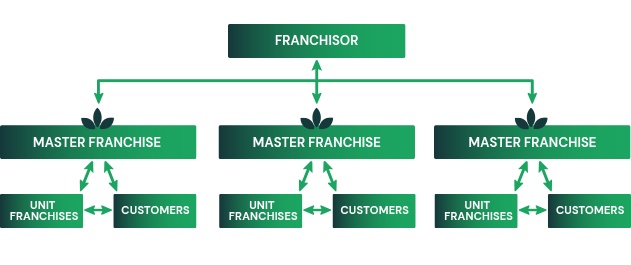
The question we ask any of our Master Franchisees is, “Do you want to help build other businesses?” Because that is - at the core - what they are doing. Our Unit Franchisees are handling the cleaning clients within a territory, while the Master Franchise provides overarching marketing and operational support. This is when the skills of building and developing a team are especially important for a Master Franchisee. They should like and be successful working with others.
The Right Candidate
While there is no silver bullet in terms of the right candidate for our Master Franchise program, the following checklist may help you narrow down on a potential prospect:
- Entrepreneurial experience or mindset
- A willingness to manage some risk
- Liquid assets above $250K
- Net worth above $1.5M
- Ranks as an Achiever on the Zorackle Profile
- Understanding of the Master Franchise role
Much like running a new department, or starting a small business, the Master Franchise needs to have a toolbelt of skills that will help them remain flexible to the tasks required to be successful as well as the grit and know how to make adjustments when necessary in order to meet their goals. And, at the end of the day, they require the intangible characteristic that all entrepreneurs - and many business owners - share: faith. Faith that the time and money they invest into a project will prove fruitful and faith that they are taking a step in the right direction for their long-term success.
If you feel you have a possible candidate for us to speak with, or if you have any questions for us, please reach out. We’re always happy to discuss the benefits of our Master Franchise program and the individuals who would be right for the role. Contact our Director of Master Franchise Development, Randy Abernathy at randya@mintconitioninc.com or 916-337-3532.
* Unfortunately, SBA loans cannot be used in the investment of a Master Franchise. This type of business is considered passive income and therefore does not qualify.


Unlocking Potential: How Times of Change Lead to New Career Opportunities
While it’s impossible to predict the ebb and flow of business, there are certain world events which one can nearly count on affecting most industries: hurricanes in the summer and fall can stifle global transportation, union strikes can halt supply chains, and political events can cause waves throughout the economy. While the U.S. heads into an election season, individuals and businesses are approaching this time with hesitation. That’s because people don’t make big decisions or take unnecessary risks when there is a period of uncertainty. While it’s important to remember that any period of change is temporary, the decisions that are made (or not made) now can have long-reaching consequences. As this Forbes writer puts it, “The world continues to evolve whether you choose to participate [in risk] or not.” And the reality is, not taking a risk is often the greatest risk of all.
Why Franchising Thrives in Times of Uncertainty
Believe it or not, there is good news about these periods of uncertainty. Although many businesses often depend on the outcome of specific events (such as logistics companies being influenced by the resolution of union contract negotiations), the Mint Condition Franchise model has proven to thrive regardless of political outcomes. That’s because the economy will likely do one of two things: grow or not. And either outcome leads to opportunities for our franchise model. If there is a boom in the economy, business opportunities increase which leads to more demand for essential services such as office cleaning. If the economy shrinks and employment opportunities decrease, people begin to explore revenue streams they might not have otherwise.
Time and time again, our business model has proven to be immune to these times of uncertainty. Whether it’s from behemoth corporations like Amazon beginning to turn a profit (which began in late 2001 according to Yahoo! Finance), or the 2008 recession, or more recently the 2020 COVID-19 pandemic, our franchise programs have continued to grow as essential services. Why? For starters, during times when the overall business landscape is unsteady, there are two things that remain true:
- Clean office spaces are as essential as electricity or heating and air conditioning, regardless of the economic climate.
- Individuals seek additional revenue streams when there are unexpected salary or workload changes to their “day job.”
For individuals who are willing to play the offense, this can be a unique and fortunate opportunity for growth especially when many are too nervous to step onto the field.
There is Opportunity in Risk
Warren Buffett is perhaps one of the most famous American investors of the last century, and that’s not because he lives on the sidelines. During the mortgage crisis of 2007-2008, he made “a number of deals, though questioned at the time, proved highly profitable.” He was, undoubtedly, taking risks during a time where most businesses and individuals were frozen with uncertainty. Looking back, it’s easy to see how successful his bold moves were - but at the time, as is happening now - most businesses and individuals are fearful to make changes when there is instability in the marketplace. But Buffett didn’t have a crystal ball. He simply took advantage during a time when few others were. And he isn’t the only example of capitalizing during uncertainty.
Currently, 16% of the workforce are entrepreneurs and that rate has been trending upward in the U.S. for the last 19 years according to a 2024 blog by HubSpot. When we look back at the last two decades there are significant changes that have impacted this uptick including a weak economy in 2008 and a devastating pandemic in 2020. While this may seem like a counterintuitive action: “Why would people take more risk during times of uncertainty?” It actually makes sense. At the end of the day, if a person is not earning the income they need or there are cuts to their industry that they can’t control, entrepreneurship allows them the opportunity and flexibility to create wealth for themselves and their family.
We get it. Jumping into entrepreneurship can be just that - taking a leap. Regardless of where you are on the risk continuum, we have a team in place to support you throughout your journey. Our owner has been in your shoes and we understand the uncertainties and frustrations that are often part of the package when it comes to entrepreneurship. That’s why we built a turn-key system to help our Master Franchises get off the ground and retain success. We have multiple tools to set you up for success including:
- Thorough training when you get started
- Established roadmap built from our proven process
- Support from our corporate team as well as other Master Franchises
- Industry-leading technology to help with sales, customer service and accounting
Unlike other first-time entrepreneurs, you have an experienced team on your side, and you are not facing a barrage of business decisions that can feel overwhelming and untested. Working with us is like hitting the fast-forward button and skipping the first painful year of mistakes many entrepreneurs face to start running your business.
Get Ahead of the Curve
While many individuals are not making decisions right now, the reality is that they will start to make those shifts soon after there is relative “stability” in the marketplace. By acting now, you can get ahead of the curve by establishing a Master Franchise in a territory close to you, before someone else does. Our team will work with you to calculate a territory (these are typically determined by counties and population size) where we believe you will be successful. If history has shown us anything, it’s that our business will continue to grow no matter the outcome of upcoming political events. It’s not a question of if individuals will take advantage of franchise opportunities like ours, but it’s a question of how many will. One comment we hear often from our franchisees: “Why didn’t I do this sooner?”
We understand that entrepreneurship and owning a franchise is a big decision and you have a lot of questions. Our Director of Master Franchise Development, Randy Abernathy is here to help. Contact him at randya@mintconditioninc.com or on his cell at 916-337-3532 and let’s continue the conversation.

Mastering the Executive Transition: What’s Your Next Chapter?
Just when you think entering the C-Suite means “you’ve made it,” the number of C-Suite executives leaving their esteemed positions is growing. According to an April 2024 article from CNBC, global CEO turnover spiked in Q1 with “52 departures and 68 new appointments” among public companies. While there may be public reasons for these exits, such as CEOs stepping into board positions or retiring, the majority of businesses do not disclose why a C-Level executive leaves. It could be anything from failing to satisfy a board’s expectations to a CEO inheriting a “poisoned chalice,” as one expert calls it. Are you in the C-Suite and feel that a change is necessary (or imminent)? Consider how a tested franchisor model can support your next chapter.
Important Questions to Ask Yourself
When outplacement is on the table for individuals in the C-Suite, this is undoubtedly an uncertain and frustrating time. When candidates learn about our Master Franchise Program, they are not ready to retire, and they still have a lot of energy and knowledge to share. Do you fit this mold? Here are some questions to ask yourself:
- Do I have a desire to remain working for at least another three to six years?
- Do I enjoy working on the business (and not in the business?)
- Do I want to continue leveraging my executive skill set?
- Will a 35-40 hour work week give me the work/life balance I crave?
- Do I desire to make a difference in the lives of the people I work with?
If you answered “yes” to even a few of these questions, a franchisor model may be a great option for you. Our candidates are looking for a new and better career path and are often tired of letting someone else call the shots. Our Master Franchise Program allows leaders to build a business on their own terms andleave the corporate grind behind.
Why a Master Franchise Program?
While “owning a janitorial business” may not sound like the next step you’ve been looking for, “managing a highly scalable recurring revenue business” probably sounds ideal. For our candidates, the Master Franchise model allows executive leaders the opportunity to continue using their strategic and leadership skills within a tested and established business model. Since 2005, we have seen our Master Franchises work (on average) at least another three years full time before transitioning into a semi-passive income role. During this initial period, however, they are working more reasonable hours and achieving a healthier work/life balance. Not to mention they see the value of making a difference in the lives of the people they work with (their Unit Franchisees) through coaching and business mentorship.
The Difference Between a Franchisor and Franchisee
As a franchisor, you are supporting your franchisees who are the “boots on the ground” part of our business model. They directly provide cleaning services to their clients while our Master Franchises operate as a strategic support arm. Our unit franchises are often supplementing additional income and entering into a new business with little experience - but a lot of grit and determination. Many of our unit franchises are hoping to build generational wealth for their families, and this is where a C-Suite executive’s experience is incredibly valuable on their road to success.
The candidates who enter our Master Franchise Program have worked for years developing business strategies and weathering the ups and downs of being in a leadership role. They help their unit franchisees build big-picture strategies as well as general business acumen so that they can reach their goals. It's a win-win relationship for all involved.
Opportunity After Outplacement
We understand how scary and uncertain the next chapter after the C-Suite can be. We know because many of us have been there. For those executives who are looking for more independence with a low startup cost, our Master Franchises enjoy several notable benefits including highly scalable recurring revenue, cutting edge sales solutions, as well as protected territories. Not to mention, there is always the opportunity to learn and grow in new ways. As one master franchisor put it, “I came from a sales and marketing background from a Fortune 500 company and knew very little about the commercial cleaning industry. Jack and his staff at Mint Condition Franchising have greatly exceeded my expectations in terms of getting me started and providing me with ongoing support.”
Finally, perhaps one of the most meaningful benefits for our master franchises is the ability to not only influence other franchisees and their desire to build family wealth, but to develop that generational wealth for themselves. For C-Level executives, they may not have previously had the opportunity to build a business that their adult children could take over. With the Mint Condition Inc. model, now they can.
Learn More
If you are, or know, a C-Level executive who is looking for your next career transition, let’s talk. Our candidates come to us with a lot of experience and understanding on how to run a business, and a desire to apply that knowledge in a new and meaningful way. You can contact us directly on our website, or email our Director of Master Franchise Development, Randy Abernathy at randya@mintconditioninc.com.
Further Reading: For more information on the differences between a Franchisor and Franchisee, check out this blog from HubSpot by clicking here.

Spadea Lignana highlights Mint Condition and how they have mastered the Master Franchise Model
Franchise law firm, Spadea Lignana, recently featured us on their blog:
Mint Condition is the 94th fastest growing franchise in America. That’s saying something when you consider the fact that franchised businesses make up 3% of the national GDP. On the surface, Mint Condition is an established, reputable commercial cleaning business known for its outstanding customized cleaning. A deeper look into the concept reveals their expertly crafted master franchising program, a model representative of much more than commercial cleaning.
Randy Abernathy is Mint Condition’s Director of Master Franchise Development. “This is not a cleaning business,” he said. “This is a franchise building and development business.”
Indeed, that is the general idea behind a master franchise program, versus a typical franchise program. Mint Condition, the franchisor, does not sell single franchise units. Their specialty lies in finding exceptional candidates who become master franchisees, owners of their own geographic area who then sell individual units to Mint Condition franchisees.
Jack Saumby founded Mint Condition in 1995 and serves as President. From the beginning, he knew if he could design an exceptional master franchise program, the brand could speak for itself to more people in more places and provide a desired way of life for both the master and unit franchise owners.
“Master Franchising isn’t new to the commercial cleaning industry,” Saumby said. “I was following the lead of those who came before me.” His first initial market test of the Mint Condition Master Franchise program took place nearly two decades ago in Charlotte, North Carolina. It was a great success. “From there, I wanted to make sure the master franchise program could be well-managed, so we expanded it on a regional basis, along the east coast, in Raleigh, Atlanta, and Nashville. Once we were comfortable that we had something replicable, we expanded from there and it has been awesome ever since.”
You can find Mint Condition franchises throughout the Southeastern U.S., as well as Texas, Utah and Pennsylvania. There are currently ten Master Franchisees over twelve territories, and hundreds of units.
“The Master Franchise candidate is a sophisticated buyer who has had a successful career in the corporate world, and who is looking to leave the grind behind and do something different,” Abernathy said. “This is an ideal opportunity for a former executive, specifically women executives, and it’s also a legacy brand, outstanding for building generational wealth.”
Beyond professional skills, there is one trait Abernathy believes is essential for master franchise candidates to possess. It is as important, if not more so, than what their resume portrays.
“Empathy plays a huge role in what our master franchisees do,” Abernathy said. “People are coming to them with their life savings to become small business owners with the Mint Condition brand. That’s no small thing. You must be self-aware enough to notice it, to figure that out. Master franchise candidates have to be able to do that, to take those people seriously and support them like they deserve. There is a real opportunity here to make a difference in people’s lives.”
Supporting teams is something Saumby knows a little something about. He enjoys working with his team at company headquarters, as well as with the team within their master franchise system. “I like my role of constantly improving and making our master franchise program better,” he said. “Things like marketing, back-office support, anything that involves the core of our master franchise program, to improve it for our owners.”
Abernathy is quick to point out Saumby’s modesty, explaining that this is a model built around support. “Jack has taken this franchise and designed it specifically in a way that makes sure the master franchisees are successful when their franchise owners are successful. Everybody wins.”
Master franchisees typically work in the business for the first three years. At that point, they can adjust their schedules to meet their needs. “Most start full-time in the business, Monday through Friday, a 40-hour workweek,” Abernathy said. “Then they can step back and build the business, or step back and slow down, and still have a business that is dynamic and growing and generating outstanding revenue.”
The industry is steadfast. Abernathy considers the franchise model the original subscription business, still standing after obstacles like the pandemic, Amazon, politics, the recession, and 9/11. “This is a 53-year-old model that survived it all,” he said. “Mint Condition is an essential business. As long as people have bathrooms and garbage cans, we have business.”
When it comes to working with the Spadea Lignana team, both Saumby and Abernathy are pleased with the working relationship. “I work directly with Cameron,” Saumby said. “who is extremely responsive to what we need, very easy to work with.”
Abernathy agrees. “The thing I’ve noticed about Tom and his group, is they are businesspeople first. They come to you with solutions. Tom’s group says, ‘This is how you do what you want to do.’”
The Spadea Lignana team agrees wholeheartedly and would like to congratulate Jack, Randy, and their teams on their current success, and they look forward to working with them through their future growth.
To learn more about Spadea Lignana Franchise Attorneys, visit: www.spadealaw.com

Medical Office Cleaning Checklist: Daily, Weekly, and Monthly Duties
Your patients expect your medical office to be clean and dirt-free. They want to see an environment they can trust to be free of germs and potentially dangerous pathogens. Building a comprehensive medical office cleaning checklist can help show your patients how much you value their time and trust.
To help you, we’re offering this complete checklist and guide for cleaning medical offices that you can use for your daily, weekly, and monthly cleaning procedures.
The Importance of Keeping Healthcare Facilities Clean
Healthcare cleaning standards extend far beyond the standards required in the traditional business. Your team interacts with patients that have medical conditions each day within their care role.
Cleaning medical facilities carefully and following established guidelines helps minimize contact between your patients and any dirt or bacteria on building surfaces.
So whether you’re following a hospital room cleaning checklist or a daily medical office checklist, precision and attention to detail are essential. Setting such high medical facility cleaning standards gives patients greater confidence in your care services.
Your patients will stay safe. And your staff can now concentrate on their primary care work.
Let’s explore our comprehensive medical office cleaning checklist.
Daily Medical Office Cleaning Checklist
Within your medical office daily checklist, include areas patients and staff use regularly. These are high-traffic areas that require regular and comprehensive cleaning.
Otherwise, they can quickly become dirty and leave patients with a poor impression of your office’s professionalism.
Lobby Areas and Offices
The most important area to clean in the lobby area and the offices are the doors and flooring. These are the high-touch areas often used by both staff and visitors throughout the day. Wash floors daily so that guests and staff can travel the building safely.
Consider also the furniture in these areas. Waiting room furniture, for example, is used every day, so taking on daily furniture cleaning duties is essential. Vacuum the waiting room furniture and carpeting. Seeing a vacuumed space will help guests feel comfortable in the waiting room and ensure they come back to you for their medical needs!
Dust and other allergens can be hazardous to safety in the medical office! Take the time to remove dust from picture frames and behind radiators. Don’t forget to vacuum underneath the furniture to ensure the area’s safe to use for all guests.
Here’s your cleaning checklist for the lobby:
- Vacuum the waiting room furniture and carpeted floors
- Vacuum underneath furniture
- Remove dust from picture frames and behind radiators
- Wash lobby floors daily
Stairs and Landing Spaces
Stairs and landing spaces are used regularly by both guests and staff. Any spillage or blockage in this area can cause a significant safety hazard. As such, it should be a daily priority for your cleaning team.
Sweep and vacuum the stairs daily. Mop up any spills and wipe down railings at least once a day. It’ll help prevent bacteria from being passed to other touchpoints in the building.
Here’s your daily cleaning checklist for the stairs and landing spaces.
- Sweep and vacuum the stairs
- Wipe down all railings
- Vacuum and spot clean landing areas
Examination Rooms
The chairs within your exam rooms are used by a new person every few minutes on busy days. Take the time to clean the furniture with a commercial cleaning agent to ensure everyone’s safety.
The interior glass is another focus area. Remove fingerprints and other debris that collects during the day. Disinfect the touchpoints near windows and walls to remove bacteria and allergens.
Empty trash cans in exam rooms regularly to maintain the highest sanitary standards in the facility.
Here’s your daily cleaning checklist for the examination rooms.
- Dust furniture, chairs, and desks
- Clean interior glass to remove fingerprints and debris
- Mop and disinfect floors
- Empty trash cans
- Wipe down cabinets and countertops with disinfectants
Restrooms
Your team and your patients will be using the restroom throughout the day. Harnessing a medical office cleaning checklist template can help ensure your team cleans bathroom spaces effectively.
Use proven-effective chemicals for this area of the building. Take extra time and care cleaning toilet bowls and toilet seats to remove leftover waste.
Here’s your daily cleaning checklist for the medical office restrooms:
- Refill all soap dispensers
- Scrub and disinfect the floor
- Dust all horizontal surfaces, including moldings, frames, and ledges
- Sweep, sanitize, and mop any hard floors
- Clean the tiled walls
- Wash and polish mirrors and faucets
- Wash and disinfect all urinals, toilet bowls, toilet seats, and sinks
Break Rooms and Kitchens
The breakroom is a space where your team can get some much-needed social time. But with different staff members using it throughout the day, it can become cluttered! It should be safe and clean to allow each team member to enjoy their time on break. Floors and watercooler areas are the high-touch points within the space.
Your cleaning checklist should also focus on tabletops and seating. Wipe clean tables and seating, and remove stains from spilled food and drinks.
Your break room and kitchen checklist should include:
- Damp clean tabletops, seating, and the back of chairs
- Empty the wastebasket and the recycling
- Clean and sanitize the watercooler
- Damp clean the chair pedestals and legs
- Dust and mop hard floors
- Clean, polish, and refill napkin holders
Weekly Medical Office Cleaning Checklist
You now have a clearer understanding of the areas of your office to clean daily. Next, let’s focus on your weekly cleaning tasks. Take the time to clean the non-public areas your staff often use.
The following should become part of your weekly cleaning routines.
Medical Conference Rooms
These are the areas of the building your medical team will gather to discuss their research and patient developments. They should be clear of debris to allow the experts to focus on their challenging work.
Desks and furniture are high-touch areas in conference rooms. So make sure these areas are of particular focus when disinfecting conference rooms. Flooring should be closely monitored for any food stains or drink spills.
Here’s your conference room cleaning checklist:
- Empty wastebaskets and remove leftover trash
- Arrange chairs and tables tidily
- Vacuum the flooring
- Sanitize all surfaces, including tables, and desks
Appliances and Machinery
Your medical team depends on printers and scanners to communicate with their counterparts as well as with patients.
Take the time to review appliance cleaning requirements and empower your team with a clear weekly checklist for keeping each system working to the top performance levels.
Here’s your appliance and machinery cleaning checklist:
- Clean and dust printers and copiers
- Wipe clean glass surfaces on vending machines
- Disinfect high-touch areas of vending machines
- Disinfect buttons on elevators and accessible doors
- Dust and disinfect diagnostic tools such as x-ray equipment and MRI machines
- Damp wipe telephones
Waiting Room Toys
Remember that kids will be regularly using the toys in your waiting room. Young kids are likely to put toys in their mouths and wipe their hands on the kids’ books in the waiting room.
So your team needs to stay on top of its cleaning schedule in this particular area of the building. Utilize a commercial disinfectant to remove any leftover debris on toys and other items in the area. Don’t forget to take the time to wipe down kids’ books with an approved cleaning product.
Use the following weekly checklist for cleaning waiting room toys
- Use disinfectant to wipe clean the surfaces of all toys in the waiting room
- Remove and replace any non-working toys
- Carefully vacuum and disinfect the flooring in children’s play areas
Monthly and Periodic Medical Office Cleaning Checklist
Your monthly and periodic cleaning processes involve items and areas that aren’t used regularly but still require attention.
Take a look at the following list to safeguard your patients and your staff.
Flooring
While you’re following strict daily and weekly schedules for flooring maintenance, there are also specific monthly maintenance elements for your medical office cleaning checklist. Buffing floors, for example, is a great way to help vinyl retain its shine.
Committing to these floor cleaning actions now can help maintain the professional appeal of the building and ensure the flooring retains its value for the years to come.
Your monthly flooring cleaning checklist should include:
- Machine buff vinyl flooring
- Use a commercial cleaning agent to scrub vinyl floors
- Wash, strip and wax all vinyl flooring in the office
Building structure
The building structure is often a reflection of how visitors to the property see your medical practice. Keep to a monthly cleaning list for high-visibility structural elements to showcase the professional image of your team.
For example, the windows should be in optimal condition so that visitors can easily see out of them when waiting for a ride or simply leaving the property. Over time, cobwebs and dust can build up on structural areas such as pipes and vents. Remove them as part of your monthly building structure cleaning checklist.
Your structure cleaning checklist each month should include:
- Wash interior of windows every three months
- Wash exterior of outside windows once a month
- Dust all pipes, vents, and moldings for cobwebs
Have Your Medical Facility Cleaned with Mint Condition
A medical office cleaning checklist can help your team stay on top of its cleaning duties. But you might find there’s no time to take on this task without assistance. An experienced cleaning team can help enhance your medical building and showcase the professionalism of your team.
Mint Condition helps you save time and money with comprehensive cleaning services.
Make Medical Office Cleaning a Priority
Keep your patients happy and improve the experience of your working team. It’s the perfect time to begin a proactive approach to medical cleaning within your office building.
Take the time to download and review our medical office cleaning checklist.
Analyze each item within the daily, weekly, and monthly cleaning schedule. Then use the checklist as a foundation for your cleaning team to get to work.
Our professionals can help. Call now to book a consultation.

Hospital Room Cleaning Checklist: Daily, Weekly, and Monthly Duties
Anyone who runs a hospital or has spent time visiting a hospital knows that cleanliness is vital. A clean hospital area not only helps patients and caregivers by providing a health-conscious setting. It also builds your hospital's reputation as one with a clean and welcoming environment.
However, creating such an environment is no small task. Keeping a hospital clean is a coordinated effort that takes place over a large scale. To manage such an undertaking, it helps to have a hospital room cleaning checklist.
There are several common hospital areas that all need regular cleaning. There are also some tasks that can and should take place at different intervals. To help you understand how to plant your hospital housekeeping, we have created this guide. It includes checklists that will help you clean other rooms and determine what cleaning tasks should take place on a daily, weekly, or monthly basis.
The Importance of Properly Cleaning Hospital Rooms
Following proper hospital housekeeping policies and procedures will ensure that patients will enjoy a clean and healthy environment throughout their stay. Failing to meet these hospital housekeeping standards will produce the opposite result. For that reason, it is essential to have a clear and compelling set of housekeeping policies and procedures for hospitals. The following few sections will help you develop those procedures and guidelines for daily, weekly, and monthly cleanings.
Daily Housekeeping Cleaning Checklist for Hospitals
Daily upkeep is one of the best ways to keep hospital areas as clean as possible. These cleanings may not be the deepest, but they are the most frequent, meaning that they can go a long way towards giving your hospital an immaculate appearance. The challenge here is that during daily cleaning, you will likely need to work around the patients and guests currently visiting the hospital.
Using the hospital housekeeping checklist that we describe below will set you on the right track towards that goal. For each hospital area, we have established an essential task list that you should complete daily.
Patient Rooms
- Clean your hands thoroughly
- Wear cleaning gloves
- Enter the room slowly for patient privacy
- Wipe down surfaces that are used often
- Spot clean walls, floors, and countertops
- Sweep and mop floors if needed
- Empty trash if needed
- Sanitize bedside commodes
- Perform any quick tidying tasks
Patient Room Bathrooms
- Clean your hands thoroughly
- Wear cleaning gloves
- Knock to ensure no patients or guests are in the bathroom
- Wipe down surfaces that are used often
- Sanitize handles, switches, and doorknobs
- Spot clean walls, floors, and countertops
- Sweep and mop floors if needed
- Empty trash if needed
- Restock toilet paper and soap if needed
Exam Rooms
- Clean your hands thoroughly
- Wear cleaning gloves
- Ensure that the exam room is unoccupied
- Clean areas where there may be bodily fluids
- Reclean your hands and put on new gloves
- Remove and replace table cover
- Wipe down surfaces that are used often
- Spot clean walls, floors, and countertops
- Sweep and mop floors if needed
- Empty trash if needed
- Perform any quick tidying tasks
Waiting Rooms
- Clean your hands thoroughly
- Wear cleaning gloves
- Work around patients and guests if they are present
- Find and report any items that appear to be misplaced
- Mop any spills or wet floor areas
- Vacuum dirty rug areas as needed
- Wipe down surfaces that are used often
- Empty trash if needed
- Perform any quick tidying tasks
Hospital Cafeteria Areas
- Clean your hands thoroughly
- Wear cleaning gloves
- Work around patients and guests if they are present
- Determine ideal cleaning time based on cafeteria use
- Find and report any items that appear to be misplaced
- Mop any spills or wet floor areas
- Sanitize tables, chairs, and food service areas
- Empty trash if needed
- Perform any quick tidying tasks
Weekly Hospital Room Cleaning Checklist
Weekly cleanings may take place less often than daily cleanings, but they are equally important. Likewise, the tasks you complete on your weekly cleaning checklist can be incredibly similar to those you will take care of during daily cleanings.
The primary difference between a daily and weekly cleaning is that a weekly cleaning is an opportunity to clean a bit more deeply. This can include a more thorough mopping as well as the replacement of essential items like soap and trash can liners. As was the case with daily cleaning, weekly cleaning tasks will vary based on the room you are in. Here are a few weekly housekeeping checklists for some important areas of your hospital.
Patient Rooms
- Clean your hands thoroughly
- Wear cleaning gloves
- Enter the room slowly for patient privacy
- Disinfect areas that people touch often
- Sweep and mop the floor
- Remove dust from air vents and other surfaces
- Disinfect door handles
- Organize until the room is neat and orderly
- Remove trash
- Reline trash cans
Patient Room Bathrooms
- Clean your hands thoroughly
- Wear cleaning gloves
- Knock to ensure no patients or guests are in the bathroom
- Wipe down surfaces that are used often
- Sanitize handles, switches, and doorknobs
- Sanitize walls, floors, and countertops
- Sweep and mop floors
- Remove trash
- Reline trash cans
- Restock toilet paper and soap
- Sanitize mirrors and sink area
- Sanitize toilet bowl and seat
- Sanitize bathtub/shower areas
Exam Rooms
- Clean your hands thoroughly
- Wear cleaning gloves
- Ensure that the exam room is unoccupied
- Clean areas where there may be bodily fluids
- Reclean your hands and put on new gloves
- Remove and replace table cover
- Sanitize all surfaces
- Sweep and mop floors
- Remove trash
- Reline trash cans
- Remove dust from air vents and other surfaces
- Disinfect door handles
- Organize until the room is neat and orderly
Waiting Rooms
- Clean your hands thoroughly
- Wear cleaning gloves
- Work around patients and guests if they are present
- Find and report any items that appear to be misplaced
- Sweep and mop the entire floor area
- Vacuum dirty rug areas as needed
- Sanitize all surfaces
- Remove trash
- Reline trash cans
- Organize until the room is neat and orderly
Hospital Cafeteria Areas
- Clean your hands thoroughly
- Wear cleaning gloves
- Work around patients and guests if they are present
- Determine ideal cleaning time based on cafeteria use
- Find and report any items that appear to be misplaced
- Sweep and mop the entire floor area
- Sanitize tables, chairs, and food service areas
- Remove trash
- Reline trash cans
- Organize until the room is neat and orderly
Monthly and Periodic Hospital Room Cleaning Checklist
These cleanings take place on an infrequent basis. As such, they are often the most comprehensive housekeeping tasks you will undertake. Monthly and periodic hospital room cleanings are a chance to clean areas entirely, down to the last detail.
These kinds of cleanings are prevalent just after a patient has been discharged from the hospital. In the absence of that patient, your housekeeping staff will have a better opportunity to clean meticulously. Doing so will ensure that the area is well-prepared for the next patient.
Terminal Rooms
- Clean your hands thoroughly
- Wear cleaning gloves
- Double-check that the patient has been discharged
- Sanitize the entire bed area, including the frame and rails
- Sanitize and replace all bedding material
- Find and fix any stains or damage left by the previous patient
- Sanitize all surfaces thoroughly
- Mop and sweep all floor areas
- Sanitize all medical equipment in the room
- Vacuum rug areas
- Polish surfaces
- Remove all trash
- Reline trash cans
- Organize until the room is neat and orderly
Patient Rooms
- Clean your hands thoroughly
- Wear cleaning gloves
- Enter the room slowly for patient privacy
- Disinfect all areas of the room
- Sweep and mop the floor
- Remove dust from air vents and other surfaces
- Disinfect door handles
- Vacuum rug areas
- Polish surfaces
- Report any damaged items that need to be replaced
- Organize until the room is neat and orderly
- Remove trash
- Reline trash cans
Patient Room Bathrooms
- Clean your hands thoroughly
- Wear cleaning gloves
- Knock to ensure no patients or guests are in the bathroom
- Sanitize all surfaces
- Sanitize handles, switches, and doorknobs
- Sanitize walls, floors, and countertops
- Sweep and mop floors
- Polish mirrors and all other surfaces
- Remove trash
- Reline trash cans
- Restock toilet paper and soap
- Sanitize mirrors and sink area
- Deep clean toilet bowl and seat
- Deep clean bathtub/shower areas
Have Your Hospital Professionally Cleaned with Mint Condition
Sometimes, the best way to manage your hospital housekeeping is to have someone else do the work for you. A professional cleaning company will have the knowledge and expertise to keep your hospital areas in top condition. If you are interested in such a service, reach out to Mint Condition today to learn more.
Final Points on Housekeeping in a Hospital
The utmost cleanliness contributes greatly to the overall reputation of a hospital. For that reason, it is important to keep up with your regular cleaning tasks for all areas of your hospital. One of the best ways to do that is to use an individual checklist for each area of your hospital. The checklists that we have listed here should set you on the right track.
But while knowing how to clean each area is essential, there are a few other tips that you should keep in mind as you clean. These tips will not dictate what you clean. Instead, they will help you understand how to clean. Here are three pieces of advice you should keep in mind as you perform your hospital housekeeping chores:
- Work from the top down: When cleaning any room's surfaces, it is helpful to start with those that are higher up. The reason for this is that while cleaning a high-up surface, you may cause dirt and debris to fall to the surfaces below. That means that if you begin with lower surfaces, you may make them dirty once again while you are cleaning higher surfaces. For that reason, starting high and moving low is a better approach.
- Move from clean to filthy: The order you clean should also relate to how filthy certain areas are. Often, it is best, to begin with, areas that are typically less dirty than others. That method makes it less likely that you will transfer harmful bacteria and microbes from one surface to another.
- Follow a system: Above all, the most critical factors in your cleaning efficiency are your consistency and the plan you follow. Having a well-established procedure in place removes all of the guesswork for your cleaning staff and will help them get the job done quickly and effectively.
Keeping those tips in mind will only help you develop the perfect housekeeping system for your hospital. Combining them with the checklists we have mentioned above will make for a complete cleaning schedule that you can trust.

Dental Office Cleaning Checklist: Daily, Weekly, and Monthly Duties
Most patients have many options when choosing a medical provider. It is important that when your patients first walk into your office “professional” is the first thing they see. When a new patient visits, the first impression they have of your space will no doubt impact their general understanding of the quality of your services and your attention to detail.
Your dental care experience begins long before the patient sits down in their chair. That is why a high-quality, template dental office cleaning checklist is so important for any dental office. You may provide high-quality care, but if your office appears in disarray or unclean, you might not have a second chance to prove your worth to your patients.
Even more so, apart from all the reasons your patients care about a clean office, the Occupational Safety and Health Administration (OSHA) and the Center for Disease Control (CDC) also both have guidelines for keeping dental offices clean and disinfected to keep your patients and staff safe.
For all these reasons, a dental office cleaning checklist specific to your dental practice’s needs is important in keeping your office clean, warm, and welcoming. Not only is this beneficial for your staff and patients’ safety and comfort, but also in your business's long-term success.
Why Stick to a Dental Office Maintenance Checklist
There are many things to consider when putting together a comprehensive cleaning template.
The best way to break down all the areas in your office and when they should be cleaned is to begin by determining which areas receive the most traffic and to make a schedule based on that.
Consider the patient experience - what they first see when they walk into the office and the places they are taken during their time there. That will give you a good place to start on your daily cleaning focus areas. From there, you can think about your less regular tasks.
To help, we have broken this down for you. Below is a checklist that will help identify the many things that need to be done to clean your dental office, in a clear and manageable way.
Dental Office Cleaning Template Checklist
Read below for a dental office maintenance checklist that will ensure your dental office facilities are in the best shape possible. This checklist breaks down areas to clean and disinfect based on daily, weekly, bi-weekly, monthly, and periodic cleaning tasks.
Daily Cleaning Tasks
Patient Areas:
- Wipe down X-ray equipment.
- Disinfect patient chairs, armrests, and headrests.
- Sanitize all hard surfaces in patient rooms (counters, other chairs, light switches, doorknobs, and drawer handles).
Reception/Waiting Area:
- Throw away any loose trash or empty food and water containers.
- Wipe down computer keyboards and mice.
- Sanitize guest pens and the reception desk area.
- Disinfect light switches and phone receivers.
- Sanitize all toys in the children’s play area (if applicable).
- Wipe down waiting area chairs, tables, and door handles.
- Organize magazines or other reading materials in the patient waiting area.
- Empty waste bins and replace them with a new trash bag, if needed.
- Straighten up patient charts, loose paperwork, mail, etc.
- Vacuum waiting and reception area.
- Straighten waiting area furniture.
Bathrooms:
- Scrub toilets and urinals.
- Restock paper towels and toilet paper, as needed.
- Sweep floors. Mop as necessary.
- Wipe down countertops.
- Sanitize door handles, toilets, light switches, and faucet handles.
- Check soap dispensers and hand sanitizer dispensers.
Kitchen/Break Rooms:
- Load/run/or empty dishwasher, as necessary.
- Empty and clean out the coffee maker.
- Restock paper towel, as needed.
- Sweep floors. Mop, as necessary.
- Wipe down countertops.
- Sanitize door handles, countertops, light switches, and faucet handles.
- Check soap dispensers and hand sanitizer dispensers.
Weekly Cleaning Tasks
Patient Areas:
- Sweep, vacuum, and/or thoroughly mop all floors.
- Disinfect waste bins. Replace with a new trash bag.
- Clear cobwebs and dust from corners.
- Dust any cabinets, photo frames, artwork, shelves, and desks, working from top to bottom.
- Vacuum/wipe down floor mats and rugs.
Reception/Waiting Area:
- Sweep, vacuum, and/or thoroughly mop all floors.
- Dust any cabinets, photo frames, artwork, shelves, and desks, working from top to bottom.
- Check tissue boxes. Replace as needed.
- Disinfect waste bins. Replace with a new trash bag.
- Shred confidential documents, as needed.
- Clear cobwebs and dust from corners.
- Vacuum/wipe down floor mats and rugs.
Bathroom:
- Mop all floors thoroughly.
- Wipe down bathroom mirror(s).
- Disinfect waste bins. Replace with a new trash bag.
- Dust/wipe down floor mats and rugs.
- Clear and cobwebs and dust from corners.
Kitchen/Break Rooms:
- Mop floors thoroughly, moving all tables, stools, and chairs.
- Wipe down all countertops, moving appliances as needed.
- Disinfect waste bins. Replace with a new trash bag.
- Clear and cobwebs and dust from corners.
- Dust/wipe down floor mats.
- Clean out the refrigerator, throwing away unmarked food.
- Wipe down the inside and outside of the refrigerator.
Monthly and Periodic Dental Office Cleaning Checklist
In addition to daily and weekly to-dos, your dental office should routinely undergo deeper monthly cleaning tasks and periodic office inspections. Read below for a biweekly dental office cleaning schedule template, monthly cleaning tasks, and periodic office checklists.
Bi-Weekly Cleaning Tasks
There are overarching bi-weekly cleaning tasks that should be considered, in addition to those broken down by specific areas.
- Discarding clinical waste: All dental offices have bins of discarded waste. Keeping these clean regularly prevents the growth of bacteria and germs. Clinical wastes specifically should be discarded in accordance with industry standards as defined by the environmental protection act (EPA) for disposing of dental wastes, or offices will be subject to hefty fines.
- Take inventory and restock all supplies as necessary, including:
- Toilet Paper
- Paper Towel
- Soap
- Hand Sanitizer
- Trash Bags
- Tissues
- Cleaning Supplies
Monthly Cleaning Tasks
Patient Area:
- Wipe down or vacuum all patient waiting room chairs.
- Vacuum all room vents.
- Dust all surfaces, including baseboards, working from top to bottom.
- Dust and/or wash blinds.
- Check any curtains or window treatment for freshness. Wash as needed.
- Clean window sills
- Use glass cleaner to wipe down all glass surfaces (windows, glass tables, etc.)
- Polish and wood/linoleum floors, as necessary.
Reception/Waiting Area:
- Vacuum all chairs and wipe down any plastic or leather chairs.
- Polish and wood/linoleum floors, as necessary.
- Vacuum all reception/waiting area vents.
- Dust all surfaces, including baseboards, working from top to bottom.
- Dust light fixtures and tops of photo frames.
- Replace old reading materials in the waiting room.
- Use a glass cleaner to wipe down all glass surfaces (windows, glass tables, etc.)
- Check any curtains or window treatments for freshness. Wash as needed.
- Clean window sills
Breakroom and/or Kitchen:
- Polish and wood/linoleum floors, as necessary.
- Vacuum all chairs and wipe down and plastic or kitchen/breakroom chairs.
- Use glass cleaner to wipe down all glass surfaces (windows, glass tables, etc.).
- Dust and/or wash blinds.
- Check any curtains or window treatments for freshness. Wash as needed.
- Clean window sills.
- Run vinegar through the coffee maker to deep clean it.
Bathroom
- Dust and/or wash blinds.
- Polish and wood/linoleum floors, as necessary.
- Use a glass cleaner to wipe down all glass surfaces (windows, etc.).
- Check any curtains or window treatments for freshness. Wash as needed.
- Clean window sills.
Periodic Cleaning Services
On top of your existing daily, weekly, and monthly scheduled cleaning needs, it is important to be aware of even more periodic office upkeep that might include:
- Upholstery deep cleaning for waiting area chairs, other soft furnishings, carpets, etc.
- Stain removal for carpet and upholstery.
- Checking light bulbs for a potential replacement.
- Cleaning behind appliances.
- Wiping down ceiling fan blades.
- Cleaning out of cabinets and drawers.
- Cleaning window sills and window tracks.
Mint Condition’s Professional Dental Office Cleaning Services
One of the best ways to manage your dental office’s cleaning needs is to find a medical office cleaning specialist who can partner with you to manage the details around keeping your dental office spotless.
This allows you to focus on your daily tasks while feeling confident that your office is up to the necessary high-quality cleaning standards required by OSHA and the CDC. The American Dental Association recommends that you hire a professional dental office cleaning service for these very reasons, among others.
Mint Condition is one such company that wants to help you. Mint Condition is a commercial cleaning and janitorial service that has the tools and expertise to understand what your office needs and how to keep it up to the standard levels of required sanitation.
Not only that, but Mint Condition also requires that their teams are fully educated on what standards are required to keep medical offices clean. They have created a carefully curated team of individuals who have been vetted on the CDC’s cleaning guidelines.
They will always utilize electrostatic cleaning and disinfectant products to ensure the most complete disinfectant coverage possible of your office equipment and furniture.
More than just providing distinguished, OSHA and CDC compliant cleaning and janitorial services, Mint Condition also offers a guarantee that you will be satisfied with their results.
It is their goal to take away the worry that you will have to micro-manage a cleaning company to meet your dental office’s needs. Instead, they offer peace of mind that you will never have to be concerned about whether your dental office is clean again.
Talk to a Mind Condition expert today. They would love to work with you to design a customized cleaning plan that meets your dental office’s specific needs.
Conclusion
To your incoming patients, your dental office reflects the quality of your service and your attention to detail. Having a pristine, well-organized space is not only better for your patients’ experience and safety, but it also sets a standard of excellence that your patients will be drawn to.
Make your dental office warm, welcoming, and the best in its class by implementing a high quality dental office cleaning checklist. The most important thing when doing this is to break down your cleaning needs into daily, weekly, and monthly tasks, to help keep the process manageable.
But perhaps even most importantly, your best option is likely to enlist assistance with the daily management of your office’s cleaning. Consider working with a company that can manage some of the more detailed, regulated aspects of meeting your dental office cleaning and sanitization needs.

Classroom Cleaning Checklist: Daily, Weekly, and Monthly Duties
Keeping a classroom clean can be a challenge for teachers and custodians. Classrooms get a lot of use each day and without regular cleaning, the mess can accumulate. With a classroom cleaning checklist, you can keep classrooms tidy, hygienic, and fresh for each new day.
With daily, weekly, and monthly checklists, you can be assured that everything is being cleaned as it should and nothing is getting skipped.
How to Clean a Classroom? Start With the Right Classroom Clean-up Checklist
There are many facets and details to classroom cleaning procedures. By having a set of school custodian duties checklists for different types of routine cleaning, you can ensure that your classroom is properly cleaned and you're not doing more work than necessary.
Check out these school custodial cleaning checklists to get your school organized around cleaning.
Daily Classroom Cleaning Checklist
To get a clean classroom daily, follow the checklist below.
Clean Up and Take Out Trash
Students are notorious for putting trash anywhere but in the garbage cans. Check the room for trash. Be sure to check under desks and chairs and in areas where students keep their things.
It's important to bag and take out the trash every day, even if the bag isn't full. Kids often put leftover food in classroom garbage cans, so it's important to remove these bags to prevent issues with pests.
Put Away Materials
Starting the day with an organized classroom is essential. Thus, all materials should be put away at the end of the day. Ideally, teachers will have classroom procedures in place to help the students manage their materials.
However, there will be times where some supplies are left out. Be sure to put everything in its proper place so that everything is ready to go on the following day.
Disinfect Desks and Chairs
Germs can spread easily in classrooms. Kids sit close together, share supplies, and often don't keep their hands to themselves. Between Covid-19, the flu, and other viruses, it's important to disinfect desks and chairs daily.
Use a disinfectant spray or wipes to wipe down all desks and chairs. Don't forget to clean the teacher's desk and chair as well.
Disinfect Other High-Touch Surfaces
Students don't just touch their desks and chairs. Many places in the classroom are touched multiple times per day, like doorknobs, handles, supply boxes, and pencil sharpeners. Look around the room for other places that students frequently touch.
As with the desks and chairs, wipe with a disinfectant spray or a wipe.
Sweep
Depending on your school's policies, you may or may not have to mop each day, but classrooms need to be swept every day. Be sure to reach all walkways and under tables, desks, and chairs.
Weekly Classroom Cleaning Checklist
Below are several tasks that should be part of your weekly classroom cleaning checklist.
Disinfect Hardware
Technology can often build up dust and oil residue over a week. You should clean keyboards, screens, headphones, and other tech at least once a week. Be sure to refer to product cleaning manuals to make sure you're using the right cleaning products and procedures.
Dust
Dust areas like bookshelves and cubbies. Dust any other areas that aren't cleaned daily.
Whiteboards and Chalkboards
Whiteboards and chalkboards need to be cleaned regularly. Dry erase markers can eventually leave some color behind if boards aren't cleaned at least once a week. Be sure to use proper cleaning materials, especially on electronic boards.
Tidy Materials
While most materials should be put away at the end of each day, some areas should be tidied at least once a week. Check bookshelves and supply areas to make sure everything is organized and in its place.
Mop and Vacuum
If you don't mop or vacuum daily, it needs to be done during the weekly clean.
Monthly Classroom Cleaning Checklist
Below are the tasks that should be part of a monthly custodial cleaning checklist.
Clean Garbage Cans
Whether you're in a daycare or a high school, garbage cans can get pretty nasty. Garbage cans should at least be wiped down with a disinfectant. For those that are particularly dirty, such as those used for food disposal, you may need to clean them outside with a hose and soap.
Disinfect/Dust Cabinets and Other Surfaces
If there are surfaces like cabinets and shelves that aren't high-touch surfaces, be sure to dust them monthly. If these areas are touched, it's important to disinfect them as well.
Clean Windows and Blinds
Windows and blinds can get particularly dusty. It's important to keep dust out of the classroom as some students have allergies. Be sure to dust and wipe down windows at least once a month.
Clean Ceiling Fans and Vents
Fans and vents can also get dusty and cause problems for kids with allergies. Use a ceiling fan cleaner and clean or change out vents once a month, especially during the summer months.
Daycare Cleaning Checklist
This daycare cleaning checklist template helps you set up a daycare cleaning schedule. Most states have strict regulations about how daycares should be cleaned and how often. Since small children are in the process of getting vaccinations and don't have developed immune systems, it's essential to clean these spaces to stop the spread of illness.
Daycare Cleaning Checklist Template
Preschool Cleaning Checklist
Much like daycares, preschools also have standards to follow for cleaning. Be sure to follow a preschool classroom cleaning checklist to make sure you're getting everything done. Check out this preschool cleaning checklist template to stay organized.
Classroom Cleaning Checklist
There's a lot to keep up with when teaching, so teachers shouldn't have to worry about remembering what needs to be cleaned each day. This classroom cleaning checklist for teachers can help you stay on task.
Tips on Cleaning Other School Areas & a Complete School Cleaning Checklist
There are many other areas in a school that get a lot of traffic. It's important to have a school janitor checklist to keep these spaces well-maintained.
Cafeteria
Cafeterias can be a big mess, especially after an entire school has passed through. It's important to thoroughly clean this space since it's where people eat. Be sure to include these tasks on your school custodian duties checklist.
- Pick up trash
- Disinfect tables and chairs
- Sweep and mop floors
- Take out trash
- Disinfect serving areas that are high-touch
Gymnasium
Gymnasiums get dirty, especially if there are several groups of kids having PE and sports practices each day.
- Pick up trash
- Wipe off bleachers
- Disinfect sports equipment
- Sweep floors
- Mop and wax floors (before games)
Bathrooms
Bathrooms are one of the most challenging areas to clean in a school. Even students who are neat in other areas can make a mess in the restroom.
- Pick up and take out the trash
- Disinfect sinks and countertops
- Clean mirrors
- Disinfect toilets
- Disinfect doorknobs, handles, and locks
- Sweep and mop floors
- Refill soap dispensers, toilet paper, and paper towels
Teacher Spaces
While teachers typically aren't as messy as students, it's vital to keep their spaces clean and disinfected. Some viruses like Covid-19 are more likely to spread between adults; it’s important to disinfect spaces where teachers are coming in close contact with one another.
- Pick up and take out the trash
- Disinfect high-touch spaces like copiers, chairs, tables, supplies, and coffee pots
- Sweep and mop floors
Outdoor Spaces
Outdoor spaces do require some cleaning, especially with the prevalence of viruses like Covid-19. Playgrounds and other outdoor areas need to be tidied for safety and disinfected to prevent the spread of disease.
- Pick up trash
- Collect and put away playground toys
- Clean high-touch areas like swings, hands, rails, picnic tables, etc.
Hallways
Hallways need daily cleaning because students tend to track in dirt, especially on rainy days.
- Clean rugs (vacuum or wash)
- Pick up trash
- Sweep and mop floors
- Disinfect lockers and cubbies
- Refill sanitizing stations
Have Your School Professionally Cleaned With Mint Condition
Keeping a school clean can be a challenge. Why not outsource the job to the professional cleaners at Mint Condition? Our commercial cleaning services will keep your school in tip-top shape, and you can focus on creating a wonderful learning environment.
Final Points on Cleaning Classrooms
Cleaning classrooms is a task that requires organization. Each school should have a school custodian duties checklist along with a list of things teachers should do. By splitting these checklists by daily, weekly, and monthly tasks, you can ensure that your school will stay clean.
FAQs Related to Classroom Cleaning Checklists
Have a few more questions about keeping classrooms clean? We have answers!
How Often Should a Classroom Be Cleaned?
Classrooms should get a basic cleaning daily with deeper cleans weekly and monthly. A good general cleaning each day will ensure that classrooms don't get too messy. Regular disinfecting will prevent the spread of disease amongst your students and teachers.
If you're trying to prevent the spread of germs, the CDC recommends following this cleaning procedure and schedule.
What Can You Do to Keep Your Classroom Clean?
There are two main things to do to keep your classroom clean: set up procedures for your students so that they help you keep your room clean and use a regular cleaning schedule to prevent overwhelming messes. When cleaning is a group effort between students, teachers, and custodians, schools stay clean.
How Do You Promote Cleanliness at School?
To promote cleanliness at school, teachers and administration should set a good example. By setting up procedures and educating students about germs, schools can stay clean and germ-free. It's important to remember that kids need to be taught how to clean and practice good hygiene.
How Do You Keep Your Classroom Smelling Good?
With a group of preteens or teens, it can be challenging to keep your classroom smelling good, especially by the afternoon. Air fresheners and essential oils can help, as can increasing airflow in your classroom. Regular cleaning will also keep things smelling fresh.

Church Cleaning Checklist & Tips: Daily, Weekly, and Monthly Schedule
Churches are an abode for a large number of people. They are almost always open to worshipers and visitors. Keeping the church clean and maintaining good sanitary conditions is extremely vital, but it can also be a tough task. Having a detailed church cleaning checklist can help to organize and simplify the process.
Why Use a Church Maintenance Checklist?
A church maintenance checklist helps to create a cleaning template that will guide you on areas to cover and how to adequately clean those areas daily, weekly, and monthly. A church custodian checklist ensures that every area of the church premises is kept clean both indoors and outdoors.
Daily Church Cleaning Checklist
A daily cleaning checklist template consists of light and simple tasks. These simple duties are still significant.
Entrance and Reception
- Mop and clean the lobby floor and surfaces
- Dust and clean the door and doorknobs
- Sweep both the interior and exterior entrance areas.
Sanctuary
- Mop and clean the floor
- Vacuum and sweep carpets
- Dust the walls, windows, and window handles
- Wipe down pews and railings.
Bathrooms
- Clean the walls, sink, toilets.
- Mop the floors.
- Disinfect every surface.
- Ensure you station air fresheners.
Administrative Offices
- Dust and clean the furniture.
- Mop and clean the floor.
- Empty the trash.
- Wipe clean office equipment.
Nursery and Classrooms
- Sweep and mop floors.
- Change sheets.
- Clean and arrange toys and stationery.
- Empty the trash can.
Weekly Church Cleaning Checklist
These weekly tasks consist of a more thorough cleaning compared to daily church clean-up. When cleaning the church, ensure that your weekly cleaning tasks do not affect any church activities as it requires more time to complete.
Entrance and Reception
- Clean and vacuum the lobby areas and floor mats
- Clean the glass and reception furniture surfaces.
- Sweep the front entrance.
- Refill the water dispensers.
Sanctuary
- Vacuum the carpets
- Clean and clear the altar area.
- Tidy up Bibles and hymn books
- Clean the furnishings and windows.
- Dust and arrange the instruments.
Bathrooms
- Clean all surfaces in the bathrooms thoroughly.
- Clean and disinfect the toilet bowls, sinks, faucets, and handles
- Empty the storage cabinets, clean them and refill them.
- Refill paper towels, soap, sanitize, and other bathroom necessities.
Administrative Offices
- Vacuum the floor
- File documents on their respective shelves.
- Clean shelves and cabinets
- Dust office equipment
- Dispose or store away newspapers or magazines.
Nursery and Classrooms
Here is a weekly church nursery cleaning checklist:
- Change sheets in the nursery.
- Clean and disinfect toys and other objects in the nursery.
- Vacuum the floors and carpets.
- Arrange and organize the nursery and classrooms.
Monthly Church Cleaning Checklist
This involves deep church clean-up and thorough inspection of the church building.
Entrance and Reception
- Wipe down walls and vacuum the floors.
- Clean and polish entrance doors, hand railings, and windows.
- Pay more attention to the church surroundings by checking the gardens and trimming the grasses.
- Sweep the parking lots.
Sanctuary
- Polish wooden chairs and hand railings
- Wipe down walls and wash windows.
- Wipe and clean window blinds.
- Lift heavy items such as chairs, instruments, and other finishes and clean under them.
Bathrooms
- Clean tile floors, walls, counters, and windows.
- Check toilets and sink plumbing to ensure there are no leaks or cracks.
- Inspect the drains.
Administrative Offices
- Inspect and dust furnishings.
- Lift heavy furniture and office appliances and clean them properly
- Vacuum the floors, dust the ceilings and walls.
Nursery and Classrooms
- Change sheets and mattress covers.
- Dust the windows and window blinds.
- Clean and disinfect toys.
- Wipe down walls
Practical Tips On Following Church Cleaning Guidelines
Here are steps that ensure you follow your church cleaning checklist accurately:
Use The Right Products and Equipment
- The right products and equipment prevent time wastage.
- It assists in achieving a thoroughly clean church environment.
- They do not have a damaging effect on surfaces and are non-toxic to humans.
Customize Your Checklist Based on Your Church's Needs
- The size of your choice is a great factor you should consider when customizing your church cleaning checklist.
- If your church does not have areas such as classrooms, you do not have to include them in your church cleaning schedule.
- Some churches require only a mild daily cleaning as they do not easily get messy, while some require a more thorough daily cleaning. Study your church areas to know what works.
- Pay more attention to surfaces.
- Your LDS church cleaning checklist should involve a lot of disinfecting and sanitizing.
Have Your Church Professionally Cleaned with Mint Condition
We provide the best church maintenance and cleaning anywhere. Our services are budget-friendly, efficient, and adequate. Contact us for satisfactory church cleaning guidelines.
Frequently Asked Questions
Here are answers to some of the frequently asked questions about the church cleaning checklist spreadsheet:
What Four Points Should a Good Church Cleaning Schedule Include?
- Church areas to be cleaned
- When the cleaning will be done
- How often the areas will be cleaned
- Cleaning materials to be used
How Much Does Church Cleaning Cost?
Church cleaning services are inexpensive. They depend on the cleaning plan selected, whether daily, weekly, and/or monthly cleaning services.
Our church cleaning services are very affordable. We offer great hourly rates and can work with clients to know the best cleaning plan for their churches.
Why Is It Important To Have the Sequence of Church Cleaning Using a Checklist?
With a lot of tasks to get done, a church custodian checklist helps to guide you on where you should start from and how best to go about it.
It gives clarity and helps to organize the overall cleaning process leading to positive cleaning results.
How To Organize a Church Cleaning Day
Here are ways to organize a church cleaning day:
- Check the church's daily, monthly, and weekly event schedule.
- Select an activity-free day or days and times where there will be minimal disruption of church activities.
- Get all the required, non-toxic, and effective cleaning materials.
- Inform church authorities about the chosen day and time.

Commercial Office Cleaning Checklist: Daily, Weekly, and Monthly Duties
The physical state of your office directly impacts the general well-being of your team. Health, productivity, and morale are some of the things that can be affected. It also has an effect on customers and any visitor.
Keeping the office in a neat, organized state can be a challenge. This routine requires constant monitoring, and office employees can't do it during work hours. A professional cleaning service will do an excellent job, but your team can assist in their spare time. However, for a thorough job, you would need an office cleaning checklist.
Why Use Commercial Office Cleaning Checklists?
A cleaning checklist for general office cleaning will help keep cleaning chores under control. It makes sure you and your team work in an organized and sanitized office. A checklist for corporate office cleaning will assist you in determining what areas need cleaning daily, weekly, or monthly.
Daily Office Cleaning Checklist
There are parts of an office that require regular cleaning. Keeping a professional office cleaning checklist ensures that your office is a clean, healthy workplace. It promotes output and safety while protecting the establishment from OSHA violations and fines.
Daily cleaning checklists for offices typically include vacuuming floors, mopping floors, dusting surfaces, emptying receptacles, and kitchen areas. It is also crucial to sanitize high-touch surfaces such as door handles, handrails, light switches, and elevator buttons with disinfectants.
Area 1: Reception
- Straighten out any reception décor.
- Dust floor mats.
- Be sure to dust, sweep, or mop floors and hard surfaces.
- If the entry doors glass, wipe down with cleaning solutions. Be sure to leave no streaks.
- Empty all waste receptacles, wipe down, and replace them with new liners.
- Sanitize the reception counter and telephone(s) with a quality disinfectant.
- Sanitize the coffee table and similar furniture (if your office reception has any).
- Organize magazines, any paperwork, and make the coffee table give a pleasant first impression.
- Dust all tables, lamps, lamps, window shades, vents, etc.
- Wipe down door handles, light switches, and baseboards.
Area 2: Office Area/Cubicles
- Dust shelves and cabinets, and other surfaces.
- Empty trash cans, wipe down and change liners.
- Dust computer screens, keyboards, and other computer equipment.
- Using a quality disinfectant, wipe down the desks, phones, and chair arms (if any). Remember to clean the phone, ear, and mouthpieces!
- Return any utensil or cutlery that is out of place to the kitchen.
- Make sure to dust windows, blinds, curtains, shades, and window sills.
- Wipe down windows and all glass surfaces with glass cleaners.
- Sweep or mop the floors.
- Recycle papers and clean under desks or tables.
- Disinfect high-contact surfaces such as phones, lamps, keyboards, staplers, fax and copy machines, etc.
Area 3: Kitchen Area or Break Room
- Dispose of food wrappers, unwanted food, expired perishables, and more.
- Sweep or mop floors.
- Clean all utensils and dishware. Put clean ones in appropriate drawers.
- Empty waste and recycling bins. Disinfect them and change liners.
- Wipe down the sink and faucets with disinfectant.
- Discard any old food in the refrigerator. Disinfect the surfaces in the fridge.
- Clean the coffee pot and discard old coffee grounds.
- Clean and wipe down countertops or any surface people eat and prepare food on with disinfectant.
- Wash any plates in the sink and put them away.
- Clean all kitchen appliances such as the toaster, coffee pot, microwave, etc.
- Ensure that the water cooler is clean and filled. Also, make sure that there are drinking cups for people.
- Empty kitchen of all unclaimed items. Before doing this, be sure to give proper notice so people can salvage what they want to.
- Clean and make presentable all common areas in the break room.
Area 4: Toilets or Bathrooms
- Empty trash cans, wash if needed, and add new liners.
- Mop and wipe down all hard surfaces with disinfectant.
- Wash and sanitize all basins, toilets, doors, and fixtures in the washroom.
- Sweep up any rubbish, then mop the floors with disinfectants.
- Fill up soap dispensers.
- Wipe down reflective surfaces like brass, mirrors, and glass with glass cleaners. Be sure that there are no streak marks.
- Refill toilet paper and paper towel dispensers.
- Use disinfectant to spray on all surfaces, including toilets, sinks, doors, and appliances
- Empty and disinfect trash receptacles and sanitary napkin dispensers (if applicable).
- Wash toilet bowls thoroughly with a toilet bowl brush and cleaner. Follow up by disinfecting.
- Make sure soap and paper towel dispensers function well.
Weekly Office Cleaning Checklist
Some office cleaning duties are best scheduled on a weekly routine as you cannot tackle them daily. Hence, weekly cleaning lists would include more intense cleaning tasks. A weekly office cleaning checklist would help maintain a clean office, create a healthy work environment for employees and visitors alike.
Area 1: Reception
- Vacuum floor mats and carpets.
- Clean walls and painted surfaces if needed.
- Clean light fixtures.
- Vacuum fabric chairs, sofas, couches, etc.
- Vacuum curtains or blinds.
- Mop floors, hard surfaces, and horizontal surfaces.
- Wipe down glass doors and windows with cleaning solutions. Be sure to leave no streaks.
- Empty all waste receptacles, wipe down, and replace them with new liners.
- Sanitize the reception counter and telephone(s) with a quality disinfectant.
- Wipe down door handles, light switches, and baseboards.
- Clear cobwebs out of corners, nooks, etc.
- Empty trash cans, clean them inside-out, and line.
Area 2: Workspace or Cubicles
- Clear cobwebs out of corners.
- Empty trash cans, wipe down and change liners.
- Dust computer screens, keyboards, and other computer equipment.
- Using a quality disinfectant, wipe down the desks, phones, and chair arms (if any). Remember to clean the phone ear and mouthpieces!
- Dust windows, blinds, curtains, shades, and window sills
- Wipe down windows and all glass surfaces with glass cleaners.
- Sweep and mop the floors.
- Recycle papers and clean under desks or tables.
- Disinfect high-contact surfaces such as phones, lamps, keyboards, staplers, fax and copy machines, etc.
- Empty trash cans, clean them inside-out, and line.
Area 3: Kitchen Area or Break Room
- Clean out the pantry, if there is any.
- Clean and disinfect all the surfaces and shelves in the refrigerator thoroughly.
- Thoroughly clean and sanitize the microwave.
- Empty the fridge; inform the team before doing this.
- Empty trash cans, clean them inside-out, and line.
- Polish the body of all stainless steel kitchen appliances.
- Vacuum floors and under kitchen furniture.
- Clean out any debris that accumulates behind the vending machine, microwave, drawers, etc.
- Clean and wipe down countertops or any surface people eat and prepare food on with disinfectant.
- Empty water leftover in the water cooler. Clean or wash the outside and inside. Also, wash all drinking cups and dispose of any with damage.
Area 4: Toilets or Bathrooms
- Clean glass surfaces such as mirrors with glass cleaners.
- Clear out cobwebs in corners.
- Empty trash cans, wash inside out, and add new liners.
- Mop and wipe down all hard surfaces with disinfectant.
- Wash and sanitize all basins, doors, and fixtures in the washroom e.g., hand dryers.
- Vacuum and mop the floors with disinfectants.
- Wipe the body of soap dispensers.
- Use spray disinfectant on the sides of all surfaces, including urinals, doors, sinks, and appliances.
- Wash toilet bowls thoroughly with a toilet bowl brush and cleaner. Follow up by disinfecting.
- Make sure soap and paper towel dispensers function well.
Monthly Office Cleaning Checklist
Some office cleaning procedures are best suited for a monthly cleaning routine. For this reason, one would need a monthly office cleaning checklist. These tasks would concentrate on areas in the office space that are quite large and difficult to get to. They could also be specific jobs that commercial cleaning companies only perform.
Area 1: Reception
- Shampoo and condition carpets.
- Spot-clean any stains on fabric furniture.
- Vacuum under, inside, and behind desks, sofas, etc.
- Clean out and vacuum any debris, dust bunnies, insect bits in the vents.
- Vacuum HVAC vents or change filters.
- If there are any ceiling fans, dust them.
- Deep clean surfaces and the grouts between them.
- Rub down and polish all hardwood surfaces, including hard floors and conference tables.
- If you have high walls and windows, you may need to enlist janitorial services to clean them with the proper equipment.
Area 2: Workspace or Cubicles
- Wash and spot-clean fabric furniture.
- Shampoo and condition carpets.
- Vacuum air vents.
- Dust cobwebs in the corners of desks, chairs, etc.
- Rub down and polish all hardwood surfaces, including hard floors and conference tables.
- Vacuum under, inside, and behind office furniture.
- Deep clean keyboards, telephones, mouses, etc.
Area 3: Kitchen Area or Break Room
- Throw out any expired food items.
- Deep clean the microwave, refrigerator, coffee maker, and other kitchen appliances.
- Spot clean walls around food preparation areas.
Area 4: Toilets or Bathrooms
- Deep clean and sanitize tiled surfaces and grouts.
- Polish surfaces.
- Scrub and disinfect toilet seats, etc.
Practical Tips On Building Office Cleaning Checklists
When cleaning out the office, a checklist helps to give you direction. Here are some tips on how to create an office cleaning supplies list.
Declutter:
Recycle, dispose, or return items to appropriate positions. Keep cords and wires duly with zip ties.
Dust off:
Wipe dust with damp towels. Remove dust from tight corners with canned air.
Glass cleaning:
Using a damp rag and quality glass cleaner will make glass surfaces squeaky clean.
Kitchenware cleaning:
Using warm water and a bit of hand soap will tackle any stain on cups, plates, etc. Stack the items in the cabinets in an orderly fashion.
Disinfection:
Use a good quality sanitizing solution or most with a clean towel to wipe surfaces. Pay attention to high-contact surfaces.
Final Thoughts
Having a clean work environment works wonders for the overall well-being of team members. It also makes a great impression on visitors to your office. Doing this can be a cakewalk when you use a cleaning checklist.
Ensure to use the pointers above in creating your office cleaning checklist.
FAQs Related to Office Housekeeping Checklists
How often should an office be cleaned?
An office should be cleaned as often as possible. The frequency of some cleaning tasks would vary. Some tasks are daily, some weekly, and others monthly. Cleaning routinely keeps the office looking presentable and keeps disease-causing organisms or vectors to a minimum.
How do I make an office cleaning checklist?
You make an office cleaning checklist by listing out cleaning duties. The inventory also states when you should perform cleaning duties. You will need to outline tasks in an area and how often to do them. On your checklist, there should be columns for possible damages, accidents, and signatures.
How to maintain an office housekeeping checklist?
You can maintain an office housekeeping checklist by reviewing it at intervals to track efficiency. This review would enable you to figure out what needs improvement or not. You can also maintain a checklist by asking for feedback from staff on how the checklist could be better.
What does an office housekeeping inspection process include?
An office housekeeping inspection process includes steps to confirm that you meet all good housekeeping conditions. These steps include: checking all work areas, waste disposal, and storage areas in the office; taking photos of compliant and non-compliant items; making comments and recommendations, etc.