
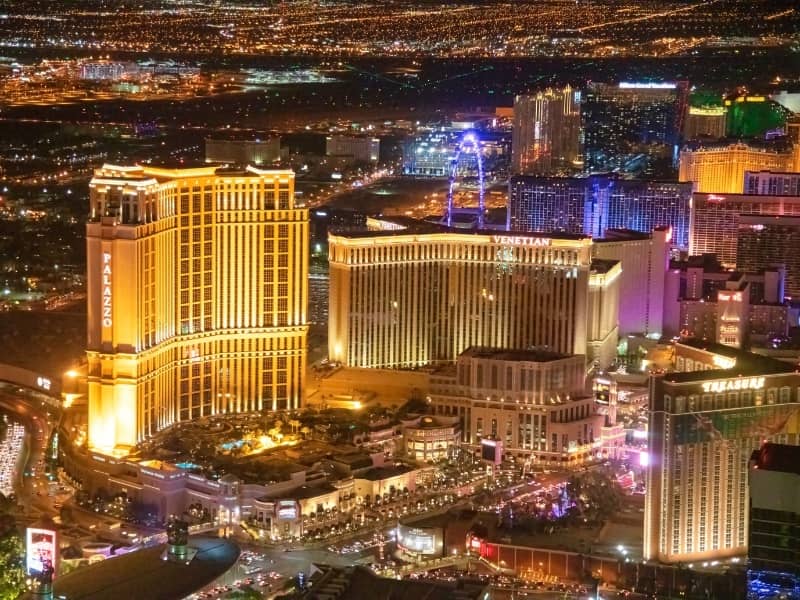
Las Vegas Franchise Opportunities: Why Commercial Cleaning Stands Out
Las Vegas is known for attracting visitors, but it’s increasingly attracting businesses, too. New and expanding businesses continue to invest in the region, with recently announced projects expected to create more than 430 jobs and generate over $55 million in capital investment. Abundant land, low taxes, business-friendly regulations, and competitive operating costs continue to draw a diverse range of businesses to establish and grow in the area
For entrepreneurs, that expanding and increasingly diverse business base creates an attractive opportunity to invest in essential B2B services, such as commercial cleaning, that grow alongside the local economy.
Key Takeaways
- Las Vegas offers a business-friendly environment for entrepreneurs.
Nevada has no individual or corporate state income tax, while competitive operating costs, available land, and favorable regulations continue to attract businesses to Southern Nevada. - The Las Vegas economy extends well beyond tourism.
Hospitality remains a major economic engine, but growth in healthcare and biotech, manufacturing, technology, logistics, fintech, sports, and entertainment is creating a more diverse commercial market. - Major investment is expanding the region’s business infrastructure.
New developments, including the Athletics’ planned stadium and investment in Apex Industrial Park, are adding commercial, industrial, logistics, and manufacturing capacity. - A growing business base creates recurring demand for commercial cleaning.
Offices, medical facilities, warehouses, retailers, financial institutions, and other commercial properties require ongoing cleaning and facility maintenance. - Commercial cleaning serves customers across industries.
Because cleaning is an essential service for many types of organizations, operators can pursue a broad customer base rather than relying on the performance of a single sector. - Commercial cleaning offers an attractive essential-service model.
Recurring revenue potential, ongoing demand, and the ability to grow alongside local businesses can make the industry appealing to entrepreneurs. - A Master Franchise provides a way to capitalize on Las Vegas growth with an established system.
Rather than building a cleaning company from scratch, entrepreneurs can develop a protected territory with an established brand, training, operating systems, and support.
Is Las Vegas a Good Place to Invest in a Business?
Population growth and Nevada’s business-friendly environment make Las Vegas a great place to invest in a business. There is no state income or corporate tax, leading to substantial savings for employees and employers. Low operating costs for utilities and real estate make starting a business easier. As does the business-friendly regulatory environment.
What Are the Fastest-Growing Industries in Las Vegas?
Hospitality is a major economic engine for the city of Las Vegas, but the area isn’t exclusively dependent on casinos and tourism. It is also drawing businesses in clean technology, healthcare and biotech, fintech, sports and entertainment services, and manufacturing.
Major relocations and projects in the works in 2026 include a $2 billion stadium for Major League Baseball team The Athletics, and an $8 billion investment in the Apex Industrial Park, which will house logistics operations, a data center, and a manufacturing space.
Large businesses in the area add to the population growth and support local businesses with storefronts in town. An NBC affiliate reported on the success of a new Las Vegas business, Pink Gorilla Games, a retro and imported games business that opened in Chinatown. They are off to a solid start, saying, “Some days we don’t even get a chance to breathe because we have so much foot traffic. It’s amazing. It’s so much better than what any of us anticipated.”
Businesses, large and small, in the city form an ecosystem that supports one another.
Why Is Commercial Cleaning in Demand in Las Vegas?
The diverse businesses that make up the Las Vegas business economy create a broad customer base for commercial cleaning. A cleaning company can serve businesses across all industries rather than depending on the success of a single sector.
As businesses grow, they:
- Lease and build commercial space
- Hire more employees
- Serve more customers
- Open additional locations
- Require ongoing facility maintenance
Clean facilities aren’t discretionary. They are essential for successful operations. Professional offices, medical offices, industrial facilities, warehouses, retail businesses, and financial institutions all need regular cleaning.
Master Franchising with a proven organization like Mint Condition gives entrepreneurs the opportunity to own a territory and develop unit franchises within it to run a commercial cleaning business.
What Makes Commercial Cleaning an Attractive Essential-Service Business?
Entrepreneurs considering business ownership typically have a few wish list items for business models. For many, a commercial cleaning business checks several of those boxes.
Commercial cleaning businesses offer:
- Recurring revenue potential
- Demand across many industries
- An essential, ongoing service
- Limited exposure to business disruption
- A broad potential customer base
- Opportunity to grow alongside local businesses
The opportunity becomes especially interesting when an entrepreneur can capitalize on demand without building an entire cleaning company and operating system from scratch.
Why Consider a Las Vegas Franchise Opportunity Now?
Las Vegas's growing metro population, diversified industries, and business-friendly environment support the potential success of a business working alongside other thriving operations in the area.
Las Vegas may be a place where people come to take chances, but investing in the region’s business growth doesn’t have to mean gambling on an untested business concept. For entrepreneurs looking for an established system, recurring demand, and an essential service that businesses need regardless of industry, Mint Condition’s open Las Vegas territory offers an opportunity to build alongside one of the country’s most distinctive metropolitan economies.
To learn more, contact a franchise professional or Randy Abernathy, Director of Master Franchise Development, at randya@mintconditioninc.com

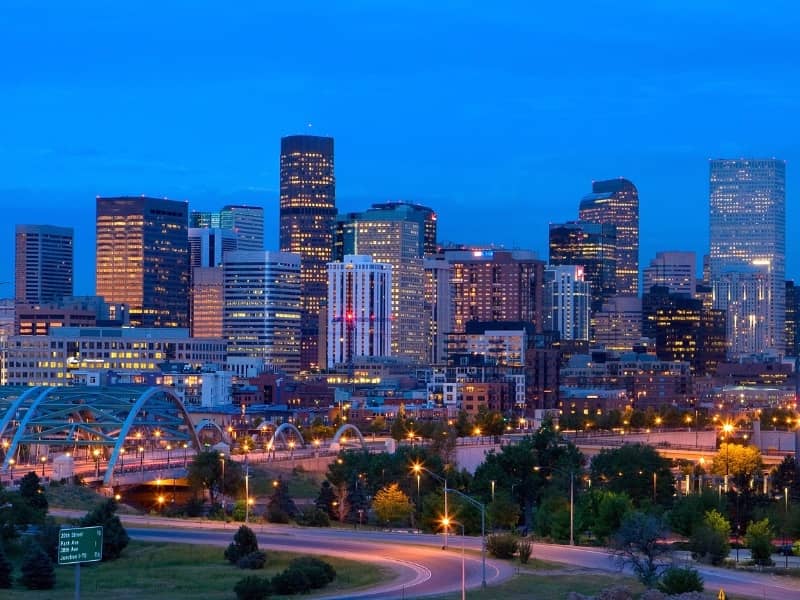
Why Entrepreneurs Are Choosing Denver, Colorado to Build Their Business
When evaluating a business investment, most people focus on start up costs, projected profits, and competition. Those factors matter but one of the strongest predictors of long term success is location. A city’s economy, business climate, workforce, and entrepreneurial ecosystem all influence whether a business can attract customers and grow. For investors considering franchise ownership, Denver, Colorado stands out as one of the country’s strongest markets.
Some cities are growing, but others have something even more valuable: a healthy community of entrepreneurs and established small businesses that continue to invest in the local economy. Denver is one of those cities.
Does Denver Have A Strong Small Business Community?
Denver’s thriving small business community makes it one of the most attractive markets for entrepreneurs and franchise ownership. With hundreds of thousands of small businesses, a thriving entrepreneurial culture, and optimistic local business leaders, the region provides a strong foundation for building a commercial cleaning franchise that grows alongside the businesses it serves.
Unlike markets dependent on one or two major employers, Denver’s economy is diversified across thousands of independent businesses. Colorado has more than 730,000 small businesses, and more than half of them are located in the Denver metropolitan area. Small businesses account for 45.2% of employment in the metro area.
Why a Strong Small Business Community Creates Demand for Commercial Cleaning
A thriving small business community is a leading indicator of potential success for essential services businesses. Small businesses, typically those with fewer than 500 employees, include boutique retail stores on Main Street, financial services firms in office parks, medical offices like dentists, and even industrial or manufacturing facilities.
As these businesses grow, they lease office space, welcome a growing number of customers, and in doing so, prioritize a clean, professional appearance. All of these types of businesses generate recurring demand for essential services like commercial cleaning.
For investors considering a move towards an essential services business, it’s important to note that demand isn’t driven by consumer spending trends nearly as much as by the health of the business community itself.
What is Driving Small Business Growth in Denver?
Colorado is recognized as one of the country’s strongest states for entrepreneurship, and Denver, its capital, is a hub for many of its outstanding small business leaders. For many located in this area, success exceeds the norm. According to the Denver Business Journal, the state is home to twenty-one unicorn companies, privately held startups valued at over one billion dollars.
The region's successful entrepreneurial culture naturally generates interest and activity from venture capital investors and potential business owners seeking to benefit from the prosperity in the region.
Denver Business Outlook: Why Local Companies Expect Continued Growth
Not only does Denver sit on a rock-solid foundation of entrepreneurial success, the future looks bright for the Mile-High City. The Denver Business Journal’s 2026 business outlook survey found 80% of business leaders expect their companies to have a successful year and 66% expect revenue growth in the coming year.
This opinion matters greatly for service-based businesses. Business optimism leads to:
- More hiring
- Office expansion or additional locations
- Greater investment in workplace appearance
Why Denver Is an Ideal Market for a Commercial Cleaning Franchise
Investors often evaluate franchise opportunities by looking at the brand, startup costs, and expected returns. Equally important is choosing a market where local businesses continue to grow. Denver’s strong entrepreneurial culture, expanding small business community, and optimistic economic outlook create an environment where essential service providers can build long-term customer relationships and recurring revenue.
Considering a franchise investment in Denver? Here are the key reasons this market stands out.
- Denver offers a strong environment for franchise investment.
- Small business growth creates recurring demand for commercial cleaning services.
- A diversified economy supports long-term business stability.
- Business optimism points to continued expansion opportunities.
- Choosing the right market is just as important as choosing the right franchise.
For investors interested in owning a commercial cleaning franchise in Denver, Mint Condition offers a Master Franchise opportunity designed to serve one of the region’s strongest business markets. To learn more, contact a franchise professional or Randy Abernathy, Director of Master Franchise Development, at randya@mintconditioninc.com
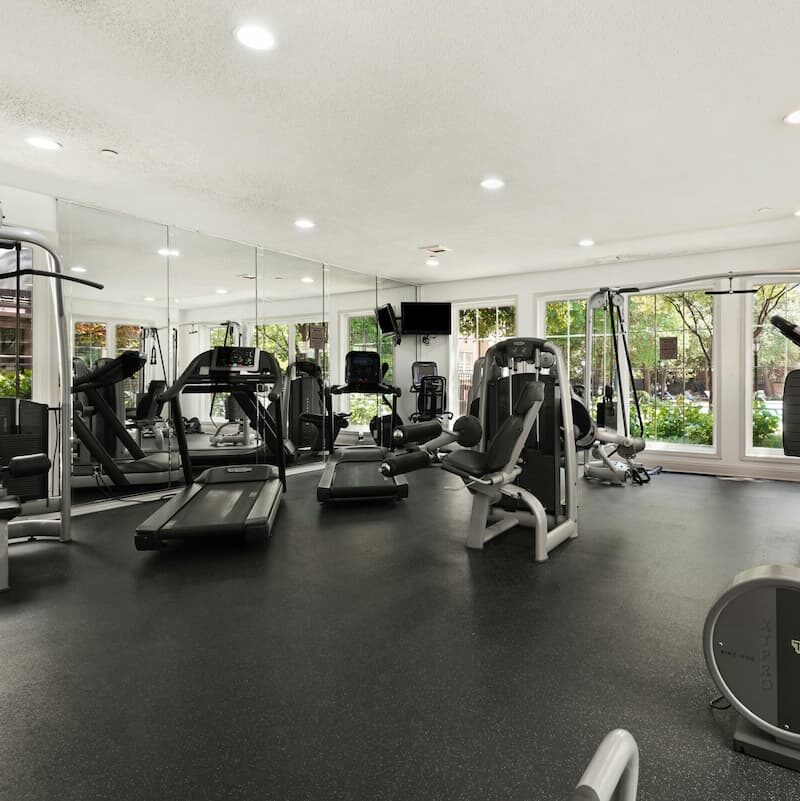
Specialized Cleaning: Standards for Medical and Dental Offices
Specialised cleaning: standards for medical and dental offices
A spotless waiting room is not the same as a safe one. In a medical or dental setting, the gap between those two things can be the difference between a healthy patient and a healthcare-associated infection (HAI). Standard commercial cleaning (sweeping floors, emptying bins, wiping down desks) simply doesn’t cut it when you’re dealing with bloodborne pathogens, aerosol-generating procedures, and immunocompromised visitors.
This guide breaks down exactly what compliant cleaning looks like in medical and dental environments: the protocols, the terminology, the high-risk zones, and the specific challenges unique to each setting. If you’re a practice manager, clinic administrator, or clinician responsible for your facility’s hygiene standards, this is what you need to know.
What’s the difference between “clean” and “sanitised”?
These three terms (cleaning, sanitising, and disinfecting) are used interchangeably in everyday speech. In healthcare, they are legally and operationally distinct.
Cleaning
Cleaning removes visible dirt, dust, and debris using detergent and water. It reduces the number of germs on a surface, but does not kill them. Cleaning is the necessary first step before any higher-level process can work effectively: disinfectants are significantly less effective on surfaces that haven’t been cleaned first.
Sanitising
Sanitising reduces bacteria on a surface to levels deemed safe by public health standards. It’s appropriate for food-contact surfaces and low-risk areas, but in a clinical setting it is rarely sufficient on its own. Think of it as the middle ground: better than cleaning alone, but not strong enough for high-risk zones.
Disinfecting
Disinfecting destroys or inactivates a broad spectrum of pathogens (bacteria, viruses, and fungi) on surfaces. In healthcare environments, EPA-registered hospital-grade disinfectants are the minimum standard. Disinfecting is required in any area where patients are examined, treated, or where bodily fluids may be present.
The key takeaway: in a medical or dental office, “cleaning” and “disinfecting” are not the same task, and substituting one for the other is a compliance failure, not just an oversight.
How to clean a medical office: core protocols
Medical offices must comply with OSHA’s Bloodborne Pathogen Standard and follow CDC Environmental Infection Control guidelines. Cleaning teams need documented training in these protocols, appropriate PPE, and a strict understanding of which products are approved for which surfaces.
Terminal cleaning
Terminal cleaning refers to a comprehensive, top-to-bottom disinfection of a room or clinical area, typically performed at the end of each day or after a patient with a known infection has used the space. It follows a strict sequence to prevent recontamination:
- Start at the highest surfaces (shelves, light fittings) and work downward
- Clean and disinfect all horizontal surfaces, equipment, and fixtures
- Mop floors last, moving from the furthest point of the room toward the exit
- Dispose of all single-use cleaning materials as clinical waste where applicable
High-touch surfaces
High-touch surfaces are disinfected with hospital-grade product between each patient, not just at the end of the day. These include:
- Examination tables and any disposable paper coverings
- Light switches, door handles, and cabinet pulls
- Blood pressure cuffs, stethoscopes, and diagnostic equipment
- Keyboards, computer mice, and any shared electronic devices
- Pens, clipboards, and patient-facing stationery
Any surface touched by a clinician who has just examined a patient must be treated as potentially contaminated. This is particularly important in multi-practitioner practices where room turnaround happens quickly.
How to clean a dental office: unique industry challenges
Dental practices present infection-control challenges that go beyond those in standard medical environments. The procedures themselves generate risk, not just the surfaces patients contact.
Aerosolised pathogens
Dental drills, ultrasonic scalers, and air-water syringes generate aerosols and spatter that can carry bacteria, viruses, and blood particles. These particles can travel several metres and settle on surfaces throughout the operatory, including areas that were not directly involved in the procedure.
This means the entire operatory must be disinfected after aerosol-generating procedures, not just the immediate treatment zone. All exposed surfaces (bracket tables, delivery units, dental chairs, light handles, and the clinician’s stool) require full disinfection using barrier techniques or surface-appropriate EPA-registered disinfectants.
Waterline maintenance
Dental unit waterlines (DUWLs) are thin plastic tubes that supply water to handpieces and air-water syringes. Without regular maintenance, biofilm builds up inside these lines and can expose patients to bacterial contamination. Practices must follow CDC and ADA guidelines for waterline flushing and chemical treatment. This is a compliance requirement, not optional best practice.
Sterilisation areas
The instrument reprocessing area (commonly called the “dirty” to “clean” workflow zone) must be kept strictly segregated. Used instruments arrive contaminated; cleaned and sterilised instruments must never contact contaminated surfaces or equipment. Cleaning teams must understand this workflow and never inadvertently breach the separation.
How to clean a doctor’s office: securing the patient journey
A GP or specialist practice handles a unique challenge: sick patients and healthy patients occupy the same spaces. Every touchpoint from car park to consulting room is a potential transmission point.
Waiting rooms
Waiting rooms are one of the highest-risk areas in any practice, yet they are often treated as low-priority. Seating, armrests, side tables, and magazines are touched by every patient who passes through. Best practices include:
- Disinfecting seating and armrests between sessions or at minimum twice daily
- Removing magazines and shared reading material entirely (disposable alternatives only)
- Cleaning children’s play areas and toys with sanitising wipes at regular intervals
- Ensuring hand sanitiser dispensers are stocked and positioned visibly at entry points
- Disinfecting reception desks, card payment terminals, and pens after each patient interaction
Exam room turnaround
Exam rooms must be reset to a clean and disinfected state between every patient. In a busy practice, this protocol needs to be fast without compromising thoroughness. An efficient turnaround includes:
- Removing and replacing disposable examination table paper
- Disinfecting the examination table, pillow coverings, and any patient contact surfaces
- Wiping down all equipment touched during the consultation
- Restocking gloves, aprons, and any single-use supplies
- Documenting the clean if required under your practice’s infection control log
Preventing cross-contamination: the colour-coded method
One of the most preventable causes of cross-contamination in healthcare settings is using the same cleaning equipment in multiple areas. A mop used in a toilet should never be used in a clinical room. A cloth used on a patient examination table should never clean a washbasin.
The colour-coded cleaning system, recommended by NHS guidance and widely adopted across UK healthcare facilities, assigns specific colours to equipment used in specific zones:
- Red: Toilets and sanitary fittings
- Yellow: Clinical and patient contact areas
- Blue: General areas (reception, offices, corridors)
- Green: Food preparation and catering areas
This applies to microfibre cloths, mop heads, buckets, and any reusable equipment. Each item should be clearly labelled, stored separately, and replaced or laundered according to protocol. An untrained cleaner working alone in a practice will not intuitively apply this system. It requires explicit training and management oversight.
Partner with Mint Condition for certified medical cleaning
Cleaning a medical or dental practice isn’t a task you can assign to a generalist janitorial team and hope for the best. The stakes are too high: patient safety, regulatory compliance, and your practice’s reputation all depend on getting it right.
Mint Condition provides specialist cleaning services tailored to healthcare environments. Our teams are trained in bloodborne pathogen protocols, OSHA compliance standards, and the correct use of medical-grade disinfectants. We understand the operational rhythms of clinical settings: fast turnarounds, discretion around patients, and zero tolerance for protocol shortcuts.
Whether you manage a single-practitioner GP surgery or a multi-site dental group, we can build a cleaning programme that meets your compliance requirements and fits your schedule.
Explore our dental office cleaning & medical facility cleaning services or talk to an expert to discuss your practice’s specific needs today!
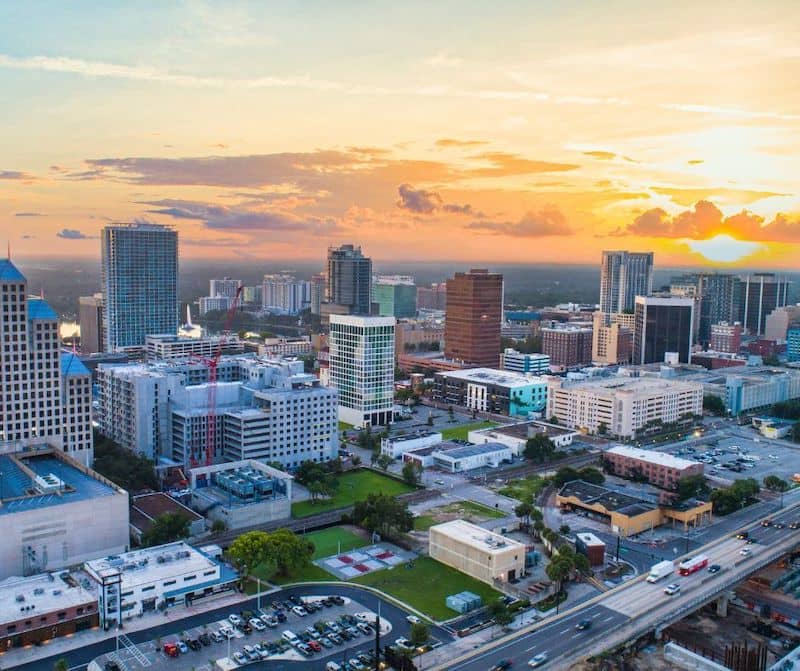
Why Orlando’s Business Boom Creates Opportunity for Franchise Investors
Novartis, Amazon, and SunDance are just a few of the businesses expanding or relocating to the Orlando market this year. The factors drawing these companies to Orlando are the same ones attracting franchise investors across a variety of industries.
Orlando has emerged as one of the most attractive franchise markets in the country, combining a pro-business environment, rapid population growth, and a thriving entrepreneurial ecosystem. For franchises that provide essential business services, the timing couldn’t be better.
How Orlando Compares to Other Cities for Starting a Business
Orlando consistently ranks among the best places in the nation to start and grow a business. In 2026, Wallet Hub named it as the second-best large city in the US for business creation, driven, in part, to the strong performance of small businesses in the area.
The city also ranks highly on the Kauffman Early-Stage Entrepreneurship Index, reflecting its vibrant startup ecosystem and strong business growth. Access to investment capital, a growing workforce, and expanding customer demand have helped create an environment where businesses don’t just launch; they thrive. The combination of opportunity and long-term growth potential continues to attract entrepreneurs and franchise investors alike.
What Makes Orlando a Top Market for Business Growth?
Orlando’s Business-Friendly Tax Environment
The success of businesses in the area can be attributed, in part, to the pro-business tax structure. Lower tax burdens here help business owners maximize growth. Florida is one of only nine states in the US with no state income tax. The favorable business tax structure leaves more capital for businesses to reinvest into hiring, expansion, and operations. Here, business owners can keep more of what they earn and invest more into scaling.
Rapid Population Growth Fuels Demand for Local Services
Another factor contributing to Orlando’s top position for business success is its rapid population growth. Orlando is one of the fastest-growing metropolitan areas in the country. New residents in the area create a growing demand for business products and services.
A Strong Workforce Supports Long-Term Expansion
City residents also make up a strong workforce, which supports business growth. The Orlando area has 1.2 million people in their labor pool and it’s growing. The healthy local economy here supports both franchise operations and customer growth.
What Are the Best Franchise Opportunities in a Growing Market?
Every growing market needs essential services. Commercial cleaning, for example, is a necessity-based service that commercial properties require for success. Demand for these services includes healthcare facilities, retail spaces, industrial properties, and even drive-through coffee shops. Franchises in essential services, like commercial cleaning, grow alongside the businesses they serve.
Mint Condition's Orlando Master Franchise Opportunity
Investors have a rare opportunity to establish themselves as owner of the Orlando Master Franchise territory with Mint Condition. The opportunity includes building and developing a network of unit franchises to provide commercial cleaning services to businesses in the area. It includes the potential to expand into neighboring territories such as Kissimmee, Sanford, St. Cloud, and Clermont, as the region continues to grow. This is a chance to enter a high-growth market with significant room to scale.
Orlando Franchise Opportunities: Why Now Is the Time to Invest
Orlando combines business-friendly policies, entrepreneurial momentum, workforce growth, and expanding demand for essential services. These factors make it one of the most attractive franchise markets in the country. For investors interested in commercial cleaning, Mint Condition’s Orlando Master Franchise opportunity offers a strategic path to long-term growth in a market poised to thrive. To talk more about the opportunity available with Mint Condition, email our director of master franchise development, Randy Abernathy at randya@mintconditioninc.com.
Key Takeaways
- Orlando is one of the fastest-growing and most business-friendly cities in the United States.
- WalletHub ranked Orlando as the second-best large city for starting a business in 2026.
- Strong startup activity and high business survival rates contribute to Orlando's entrepreneurial success.
- Florida's lack of a state income tax helps businesses retain more capital for growth and expansion.
- Rapid population growth continues to increase demand for products and services throughout the region.
- Essential service franchises, such as commercial cleaning, benefit from recurring demand across multiple industries.
- Mint Condition's Orlando Master Franchise opportunity offers investors a chance to enter a high-growth market with long-term expansion potential.

Janitorial vs. Commercial Cleaning: Which Service Does Your Facility Need?
If you've ever searched for a cleaning service and come away more confused than when you started, you're not alone.
"Janitorial services." "Commercial cleaning." "Facility maintenance." The terms get used interchangeably online, but they don't mean the same thing. And if you book the wrong one, you'll either be overpaying for things your facility doesn't need, or underbooking and watching your space quietly deteriorate.
Here's what each one actually means, how they differ, and how to figure out what your facility actually needs.
What are janitorial services?
Janitorial services are your day-to-day, ongoing maintenance. Think of it as keeping your facility presentable between the big cleans. This is the regular work that stops a space from becoming a problem.
Typical janitorial tasks include:
- Emptying trash and recycling bins
- Vacuuming carpets and mopping hard floors
- Cleaning and sanitising restrooms
- Wiping down desks, surfaces, and communal areas
- Restocking paper products and soap dispensers
- Spot-cleaning windows and glass partitions
Janitorial work is usually scheduled daily, several times a week, or weekly depending on your facility size and foot traffic. It's the baseline. Without it, even the cleanest building starts to look tired within a week.
What is commercial cleaning?
Commercial cleaning is the heavy-duty work. These are the bigger, less frequent jobs that go beyond the surface and address the buildup that regular janitorial maintenance can't touch.
Typical commercial cleaning services include:
- Deep carpet cleaning and extraction
- Hard floor refinishing, stripping, and waxing
- High-pressure window washing (interior and exterior)
- Deep cleaning of kitchens and break rooms
- Upholstery and fabric cleaning
- Post-construction or post-event cleaning
Commercial cleaning is typically scheduled bi-annually or annually, though higher-traffic facilities may need it more often. It requires specialised equipment and trained technicians. It's not something you can replicate with a standard mop and a bottle of multi-surface spray.
Mint Condition's commercial cleaning services cover the full scope of what your facility needs at this level.
It's worth noting upfront: janitorial services fall within the broader umbrella of commercial cleaning. Everything described above as a janitorial task is, technically, a commercial cleaning service, the distinction below is between those routine maintenance tasks and the additional, specialised work that commercial cleaning providers can also perform.
Key differences between janitorial and commercial cleaning
The simplest way to think about it:
Janitorial = regular maintenance. Commercial cleaning = periodic deep restoration.
Frequency and scheduling
Janitorial services run on a tight, recurring schedule. Daily or weekly visits, built around your operating hours so cleaning happens without disrupting your team or customers.
Commercial cleaning is scheduled around events. End of a quarter. Before a major client visit. After a renovation. Twice a year as a matter of course. It doesn't need to happen constantly, but when it does, it needs to be thorough.
Scope and equipment
Janitorial work uses everyday commercial-grade tools: mops, vacuums, spray bottles, microfibre cloths. Skilled work, but not heavy machinery.
Commercial cleaning involves industrial equipment: truck-mounted carpet extractors, floor burnishers, pressure washers, and specialised chemical systems. The kind of kit that doesn't fit in a supply closet.
Who does it
Janitorial services are usually handled by a regular team assigned to your facility. You'll see the same people, they'll learn your space, and they'll develop a rhythm.
Commercial cleaning is typically carried out by specialist crews, sometimes the same company, sometimes a separate team brought in for the project.
Which service does your business need?
Honestly? Probably both.
Assessing your space
Start with foot traffic. A small professional office with 10 staff needs something very different from a medical facility processing hundreds of patients a day. Higher traffic means more frequent janitorial visits and more regular commercial deep cleans.
Industry matters too. Medical facilities have non-negotiable hygiene standards that affect both the frequency and the type of cleaning required. Banks and financial offices have client-facing environments where presentation is directly linked to perception. Business offices have their own rhythm based on occupancy and use.
Industrial and manufacturing facilities are a different category again, with specialist requirements around safety compliance and heavy soiling that standard janitorial schedules don't cover.
The hybrid approach
Most businesses don't need to choose between janitorial and commercial cleaning. They need both, working in combination.
A well-run facility typically operates on a janitorial baseline that keeps the space clean day-to-day, combined with scheduled commercial deep cleans two to four times a year to address the buildup that regular maintenance can't reach.
Getting the balance right is where experience matters. The right frequency for janitorial visits, the right commercial cleaning schedule, and the right products for your specific environment aren't things you want to figure out by trial and error.
Frequently asked questions
What is the difference between janitorial and cleaning services?
Janitorial services refer to ongoing, routine maintenance: the day-to-day tasks that keep a space functional and presentable. Cleaning services (or commercial cleaning) typically refers to deeper, less frequent work that addresses buildup and deterioration that regular janitorial work can't tackle. The two are complementary, not interchangeable.
Is house cleaning considered janitorial services?
Not really. Residential cleaning and janitorial services both involve routine upkeep, but janitorial services are specifically designed for commercial environments. The products, equipment, scheduling structures, and compliance requirements are quite different. A residential cleaner isn't equipped to manage a commercial facility, and vice versa.
What does commercial cleaning consist of?
Commercial cleaning typically covers deep carpet extraction, hard floor restoration, window washing, post-construction cleaning, heavy kitchen degreasing, and upholstery cleaning. It's the specialised, equipment-intensive work that complements regular janitorial maintenance. Mint Condition's full range of commercial cleaning services covers all of this.
Get the right cleaning solutions for your business, with Mint Condition
The janitorial vs. commercial cleaning question doesn't have to be complicated. What matters is matching the right service to your facility's actual needs: your industry, your footfall, your standards, and your budget.
Mint Condition has been doing exactly that for over 30 years. We build customised cleaning programmes that combine ongoing janitorial maintenance with scheduled deep cleans, tailored to how your facility actually operates.
Talk to an expert and we'll assess your space and put together a cleaning schedule that works.
Maintaining an in-house cleaning team is often more expensive than business owners realize. When you outsource to Mint Condition, you eliminate:
- Payroll Taxes and Benefits: No need to manage additional employee overhead.
- Equipment & Chemical Costs: We provide industrial-grade equipment and eco-friendly supplies, saving you from making large upfront purchases.
- Management Time: You free up your management team to focus on core business growth rather than supervising cleaning rotas.
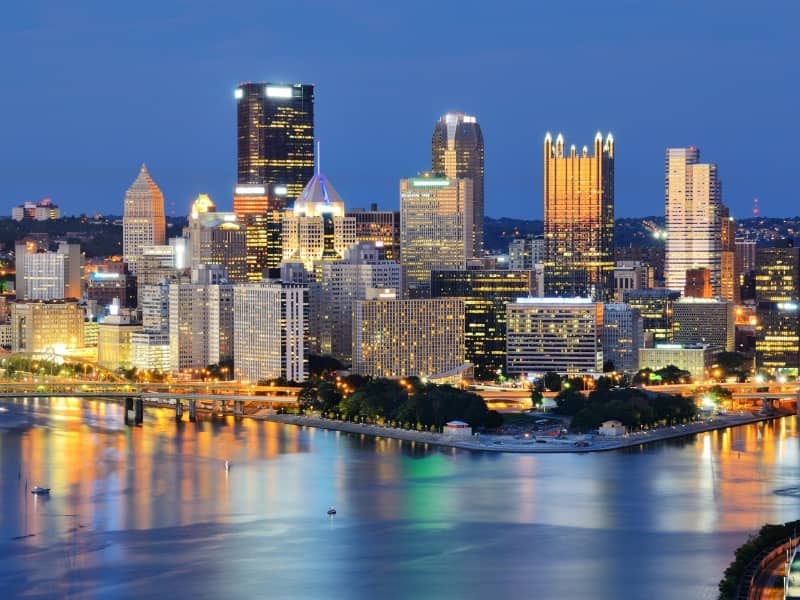
AI Is Reshaping Careers — Why Pittsburgh May Be the Right Place to Build Something of Your Own
On the site of a former steel mill in Pittsburgh’s Hazelwood Green neighborhood, Carnegie Mellon University recently opened a $100 million Robotics Information Center focused on AI, robotics, and automation research. Pittsburgh has long represented the center of American industrial strength. Today, those same industrial grounds are turning into the foundation for America’s next economic era. Pittsburgh is becoming a symbol of a larger shift happening across the economy: automation is accelerating, industries are evolving, and careers that once felt stable are changing fast.
As AI and automation reshape corporate careers, Pittsburgh’s transformation from an industrial powerhouse to a robotics and AI hub creates a timely opportunity for entrepreneurs to build businesses that support the growth.
Is Pittsburgh positioned for long-term economic growth?
Nowhere is the changing job market more evident than in Pittsburgh, as innovation reshapes work in the city. Pittsburgh is becoming one of the country's strongest markets for innovation-driven economic growth, recently ranked #2 for business expansion in the Northeast. The concentration of robotics research and development of emerging technologies has earned it the new nickname, “Roboburgh.”
The industrial-to-innovation transformation in the Hazelwood Green neighborhood is just one example of the change the city is currently experiencing. The region is a hotspot for innovation, startups, and business growth, attracting total investment of $1.89 billion last year.
Several key factors make it an attractive location for entrepreneurs:
- Deep labor pool
- Lower operational costs
- Growing startup ecosystem
- Commercial expansion momentum
The strong economic growth in this region creates demand for essential infrastructure services like commercial cleaning.
What are the best business ownership opportunities in the new era of AI?
Business providing essential services like commercial cleaning are an attractive ownership option for the new AI-era.
As Pittsburgh expands its office, healthcare, robotics, research, and commercial footprint, the demand for facility maintenance and cleaning grows alongside it. Businesses will always need clean, safe, compliant facilities to operate out of.
The commercial cleaning industry remains resilient because it is:
- Non-discretionary
- Recurring-revenue based
- Required across industries
- Resistant to e-commerce disruption
Robotics labs need cleaning crews. Innovation economies still run on essential services.
AI is transforming how people perceive their career security. Those who may have long envisioned retiring with a company may now be forced to find a new career for their final chapter in the workforce.
The same forces turning Pittsburgh into a robotics hub are also pushing many professionals to rethink dependence on traditional employment. Business ownership often provides the long-term stability and wealth-building opportunities that are becoming increasingly elusive as an employee of a company.
Does franchising reduce entrepreneurial risk?
Entrepreneurs looking to start an essential services business will choose whether they want to start a business independently or invest in franchise ownership.
Industry studies consistently show that franchises tend to outperform independent startups in long-term survival. One 2026 franchise industry analysis reported a 92% survival rate for franchises compared to roughly 50% for independent businesses.
Franchising shortens the learning curve for new entrepreneurs and provides a support team of other executives with experience in the business.
Franchise systems also provide:
- Brand recognition
- Training
- Vendor relationships
- Operational support
- Marketing systems
- Peer networks
How can I find stable income in an economy defined by change?
Pittsburgh’s transformation from steel mills to robotics labs reflects the same reality facing professionals everywhere: the economy is changing faster than ever. While industries evolve, some business fundamentals remain durable: essential services, recurring demand, and operational excellence. For professionals seeking more control, long-term ownership, and a business model built for economic resilience, Mint Condition’s open Pittsburgh territory represents a rare convergence of timing, market momentum, and essential demand.
We welcome you to reach out to us directly about the opportunity with Mint Condition or contact a franchise professional, who can guide you through the process. Email our director of master franchise development, Randy Abernathy, if you’d like to start a conversation: randya@mintconditioninc.com
The ROI of Clean: How Commercial Cleaning Saves Your Business Money
In an industry where first impressions and operational hygiene are non-negotiable, many business owners eventually face a pivotal question: Why hire a commercial cleaner?
This guide outlines the strategic advantages of outsourcing your facility's maintenance to the experts. For many facility managers and business owners, commercial cleaning is often viewed as a "line-item expense." However, viewing hygiene through the lens of a budget cost is a strategic mistake. In reality, professional commercial cleaning is a high-return investment that protects your most valuable assets: your people, your equipment, and your reputation.
Hiring a professional service like Mint Condition doesn't just keep your office looking sharp; it actively prevents capital leakage. Here is how professional cleaning delivers a measurable return on investment (ROI).
Reducing the "Hidden Cost" of Absenteeism
The most immediate way professional cleaning saves money is by stopping the spread of illness before it hits your payroll.
- The Cost of a Sick Day: Every time an employee calls in sick, it costs the business in lost productivity and temporary cover.
- The Professional Edge: Unlike basic janitorial services, professional cleaners use high-quality disinfectants to eliminate pathogens on high-touch surfaces and in the air.
- The Result: Businesses that switch to professional-grade hygiene standards often see a significant reduction in annual sick days, keeping your team at their desks and productive.
Extending the Lifespan of Facility Assets
Replacing carpets, hard flooring, and office furniture is a massive capital expenditure. Professional cleaning acts as preventative maintenance for your interior assets.
- Floor Longevity: Dirt and grit act like sandpaper on carpets and floor finishes. Regular deep cleaning removes these abrasives, doubling the life of the flooring and delaying replacement costs by years.
- Dust: If you’ve ever wondered, “How often should commercial HVAC ducts be cleaned?”, it might be good to enlist the expertise of a professional. The accumulation of dust in vents forces your heating and cooling systems to work harder. Professional cleaning improves airflow, which can reduce monthly energy bills and prevent expensive system burnouts.
Boosting Employee Productivity and Retention
A cluttered or grimy environment is a silent productivity killer.
- Focus and Morale: Research consistently shows that employees are more focused and produce higher-quality work in a clean environment.
- Retention Savings: High staff turnover is expensive…recruitment and training costs can be thousands of pounds per hire. Providing a pristine, professional workspace signals that you value your staff, which is a key driver in long-term employee retention.
Protecting Brand Reputation and Revenue
For businesses that host clients, such as law firms, medical clinics, or retail spaces, cleanliness is your "silent salesperson." A potential client's decision to trust your business is often made within seconds of walking through the door. Visible cleanliness communicates attention to detail and operational excellence. Conversely, a poorly maintained facility can lead to lost contracts and damaged credibility that costs far more than a cleaning contract.
The Economic Case for Outsourcing
Maintaining an in-house cleaning team is often more expensive than business owners realize. When you outsource to Mint Condition, you eliminate:
- Payroll Taxes and Benefits: No need to manage additional employee overhead.
- Equipment & Chemical Costs: We provide industrial-grade equipment and eco-friendly supplies, saving you from making large upfront purchases.
- Management Time: You free up your management team to focus on core business growth rather than supervising cleaning rotas.
Frequently Asked Questions
When deciding whether or not to hire a professional cleaning service, like Mint Condition, you will initially have many questions and queries.
How does commercial cleaning provide a return on investment (ROI)?
Professional cleaning provides ROI by reducing the frequency of expensive asset replacements (like flooring and upholstery) and minimizing the financial impact of employee sick leave. By maintaining a hygienic environment, businesses see a direct correlation in improved staff productivity and reduced energy costs from cleaner facility systems.
Why is outsourcing cleaning cheaper than hiring in-house staff?
Outsourcing eliminates the "hidden costs" of employment, including recruitment fees, payroll taxes, holiday pay, and training. Furthermore, professional cleaning companies provide their own industrial-grade equipment and eco-friendly supplies, removing the need for the business to invest in expensive hardware and inventory management.
Can professional cleaning lower my business's energy bills?
Yes. Dust and debris buildup in HVAC (heating, ventilation, and air conditioning) systems forces the units to work harder to circulate air. Regular professional cleaning of vents and surrounding areas improves airflow efficiency, which can measurably reduce monthly energy consumption and prevent costly system failures.
How does a clean office improve employee retention?
Workplace environment is a top factor in employee satisfaction. A clean, well-maintained office demonstrates that a company values its staff's health and well-being. By reducing workplace stress and health issues, businesses can lower their turnover rates, saving thousands in recruitment and onboarding costs for new hires.
Does professional cleaning help with health and safety compliance?
Absolutely. Professional cleaners ensure your facility meets stringent health and safety regulations, protecting you from potential fines, legal liabilities, and insurance premium hikes that result from workplace accidents or hygiene violations.
Invest in a Clean Workspace with Mint Condition
Don’t let hidden costs like absenteeism and premature asset failure drain your bottom line. Partner with Mint Condition and transform your facility maintenance into a strategic financial advantage. Our professional, eco-friendly cleaning solutions are designed to protect your people, your property, and your profits.
For more information on the price of commercial cleaning for businesses, or to find out what commercial cleaning consists of, explore our professional cleaning services here.
The Texas Boom: Why Now Is the Time to Invest in a Master Franchise Territory
 After 115 years in California, Leprino Foods, the world's largest mozzarella producer, is shutting down its facility and moving operations to Texas in 2026. And they are not alone. The move to Texas is part of a broader wave of business migration to the Lone Star State.
This shift isn’t just changing where companies operate; it’s creating one of the most attractive windows in the country for entrepreneurs to step in and build businesses that support that growth.
Why are companies moving to Texas?
Today’s competitive business environment is pushing companies to relocate to markets where operating is simpler, faster, and more effective. Texas is emerging as a top choice. The state has recently been ranked “Best Business Climate” by Site Selection and earned the honor of #3 Best States to Start a Business by WalletHub. Business-friendly regulations, a huge labor force, low franchise tax, and strong infrastructure make this location an easy choice for top honors.
Major companies, including KFC, Chevron, and X, have announced moves to several cities in Texas. Austin alone recently welcomed Tesla and Oracle to their city, bringing more than 1,000 jobs. With each relocation comes economic growth for the region, including the creation of recurring demand for essential services such as commercial cleaning.
The rapid growth in the Austin area is also occurring in nearby San Antonio, Texas. The city has had over 23% population growth from 2013 to 2023 and job growth of 8.8%, which is well above the national average of 3.4%.
Is there a business opportunity in Austin and San Antonio?
As migration continues to the south-central Texas region, the space between these neighboring cities is filling in, creating a continuous economic zone similar to that of Minneapolis-St. Paul, Minnesota. Sharp entrepreneurs will likely spot the opportunity to capitalize on the early stage of the rapid growth here. With each relocation comes economic growth for the region, including the creation of recurring demand for essential services such as commercial cleaning. For those seeking franchise territory ownership, buying at the beginning of the boom affords lower pricing compared to later pricing based on higher population numbers.
The Austin-San Antonio corridor represents a rare convergence of business migration, population growth, and underserved demand, making it one of the most strategic places in the country to invest.
What franchise model allows business owners to scale with market growth?
New businesses create an immediate and recurring need for essential services like commercial cleaning. Mint Condition’s Master Franchise structure allows entrepreneurs to purchase area territories to develop unit franchises that provide cleaning services to businesses. The structure allows territory owners to scale with the market, not just operate within it. Getting in early on the opportunity equates to capturing a territory before demand fully matures.
Are executives displaced in 2026 choosing franchise ownership for their next career move?
Business ownership is a path many seasoned professionals are now considering as they find themselves suddenly cut from tenured positions in 2026, as AI is extending its reach to even the top-levels of organizations, causing large layoffs nationwide.
Those cut, have years of leadership, discipline and operational experience, yet find themselves eliminated and hard-pressed to find a new opportunity at the income level they’ve become accustomed to. Business Insider shares the familiar story of one Senior Manager who reported taking a 50% pay cut after applying to 1,600 jobs and completing 78 interviews. That reality is one reason why many turn to franchise ownership as the next chapter in their career. Master Franchise Ownership offers a path to control, scalability, and long-term wealth.
Could a service business be the best way to build wealth in a growing market?
Rapid business influx into a region has always been a leading indicator for smart territory investment, and the Austin-San Antonio corridor is showing all of the signs of long-term growth. For those evaluating their next move, this isn’t just another market; it’s a window of opportunity where timing, location, and demand are uniquely aligned.
Major US companies have already made their move to Texas. Now it’s your turn to decide whether you’ll work in this growth or own a piece of it. Reach out to us to discuss the Master Franchise opportunity in this area.
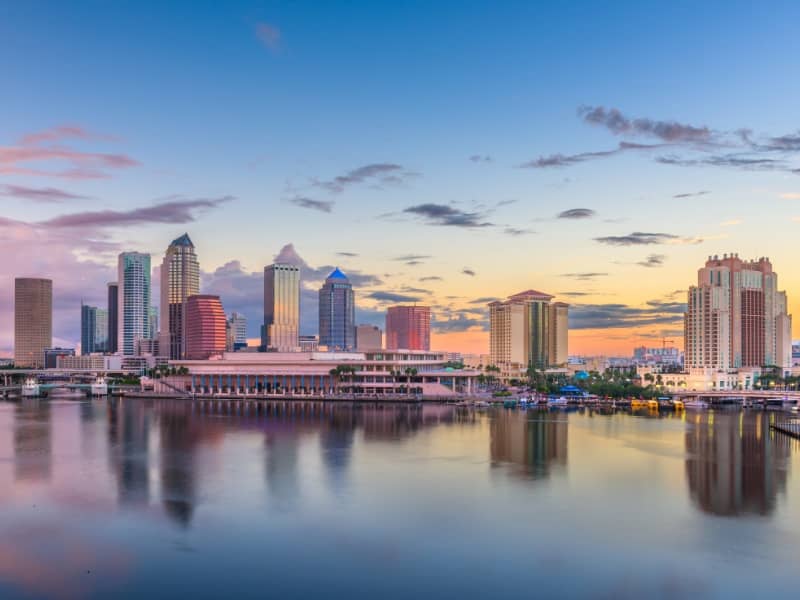
Worried About AI Replacing Your Job in Columbus, Ohio? Read This
The fear of mass layoffs is growing.
And Columbus, Ohio is no exception.
While job searching is stressful and long regardless of the position you’re seeking - the harsh reality is that it’s even harder when you reach a certain salary bracket. Individuals seeking salary opportunities over $200k could expect to see the interview process take up to 12 months.
If you’re a recent (or about to be) displaced executive you are likely thinking, “There has to be a better option.”
The good news: there is.
AI Impact on Columbus, Ohio Jobs
As home base to many financial, insurance, and healthcare-related companies when layoffs hit, the Columbus, Ohio economy feels the ripple effects. From Fortune 1000 headquarters like Bath & Body Works, Cardinal Health and Nationwide to Honda, DHL and Amazon as some of the largest employers - these big names employ tens of thousands of Columbus neighbors each.
Bread Financial has already announced layoffs for a significant portion of their workforce. While eleven other Columbus and Columbus-proper businesses announced mass layoffs as well.
A major reason? A.I.
Two of Columbus’ major employers Nationwide Insurance and JPMorgan Chase, are exceptionally vulnerable to AI disruption. Insurance and financial services are highly automatable sectors, and A.I. has affected jobs in claims processing, underwriting, financial analysis and back-office operations.
Columbus, Ohio Business Ownership
Owning a business is often a great second career option for executives who still have energy and mileage left in their careers. The leadership traits and experience of weathering the ups and downs of corporate life prepare you for the grit and long-term thinking that’s required to build a franchise market.
So what makes Columbus, Ohio an ideal city to start a business? There are two unique traits to The Arch City.
Centralized Hub Advantage
If you are living and working in Columbus, Ohio, you already know what the leaders at Nationwide and JPMorgan Chase know. Columbus is a strategic and optimal “hub” for many businesses for several reasons including:
- Reasonable cost of living
- Diverse economy (education, healthcare, finance, logistics)
- Strong infrastructure and accessibility
Not to mention, the city is seeing more and more venture-backed and fast-growing businesses in robotics, tech and more.
What does this mean? More opportunities for your business to connect and grow.
Expansion Opportunities Into Nearby Markets
There’s a good reason why the government’s marketing team leaned into this slogan during a state rebrand a few years ago, “Ohio: The Heart of it All.” Because it truly is.
With Columbus, Ohio being in the center of the state, where major interstates 70 and 71 intersect, there are ample opportunities to expand business to Cleveland, Ohio, Dayton, Ohio, Indianapolis, Indiana and, yes, even Pittsburgh, Pennsylvania. (You don’t have to become a Steelers fan though, we promise).
Second Careers for Executives
If you are interested in starting a business in Columbus, Ohio, the good news is that there are several stable industries that offer alternatives to corporate jobs. While commercial cleaning is not a flashy industry, it is a reliable and required service that all businesses need regardless of recessions, pandemics or A.I. disruption.
Commercial spaces rely on regular cleaning as much as they do on the internet and electricity. And this predictable, recurring revenue model can be a huge sigh of relief for business executives who have been quietly (or aggressively) searching LinkedIn for their next role. It’s also important to point out that at a Master Franchise level, you are not vacuuming or cleaning toilets. A Master Franchise role is built for the executive who has decades of leadership, team-building and strategic experience.
Franchise Opportunities in Columbus, Ohio
If you and your family have made Columbus, Ohio your home, but you have a nagging feeling that you are working for your job - and not the other way around - you have options outside of the traditional 9am-5pm. Our Master Franchise business ownership opportunities may be a fit.
While we welcome you to reach out to us to learn more, we also encourage you to connect with a franchise consultant who can help you find franchise opportunities that fit your skills, finances and goals.
Email our director of master franchise development, Randy Abernathy, if you’d like to start a conversation: randya@mintconditioninc.com
Why a "One-Size-Fits-All" Cleaning Plan Fails (And What We Do Instead)
You’ve likely seen a cleaning crew walk into your facility with a generic checklist. They spend twenty minutes hitting the obvious spots and disappear before you can say hello. In the world of commercial cleaning, this "one-size-fits-all" approach simply does not work.
A generic cleaning plan usually benefits the vendor rather than the client because it ignores the unique rhythms of your daily operations. For a medical clinic, a missed corner is a compliance risk. For a church, a rigid schedule fails to account for mid-week weddings or community events. At a professional office, "standard" cleaning often misses the high-touch areas that keep employees healthy and productive.
The Problem with "Standard Scopes"
Most cleaning companies operate as vendors. They provide a basic scope of work that treats a primary care practice exactly like a law firm. This leaves you in the unenviable position of managing the cleaners. You find yourself pointing out missed spots, adjusting schedules, and worrying if the job is actually done right.
At Mint Condition, we believe you should never have to manage your cleaning partner. You have a facility to run and a community to care for. You deserve the peace of mind that comes with a professional, proactive team.
The Mint Condition Difference: Customized Service
We replace the "one-size-fits-all" mentality with customized service. Our process starts with listening. Before we ever pick up a mop, we walk through your facility to understand your specific high-traffic zones and health requirements.
We then build a tailored cleaning plan designed specifically for your world:
- Medical Facilities: We prioritize hygiene and disinfection to maintain patient trust and meet rigorous medical standards.
- Churches: We provide the flexibility needed to respect your worship schedule and event calendar.
- Offices: We focus on professional appearance and employee wellness to ensure your space reflects your brand.
A Partnership Built on Trust
Mint Condition is powered by local franchise owners who have a personal stake in your satisfaction. They are invested partners who take a proactive interest in your facility’s health.
We are so confident in our exceptional standards that we offer a 30-day opt-out. Rather than trapping you in a long-term contract, we aim to earn your trust every single time we clean.
Cross Cleaning Off Your List
Stop settling for a generic service that adds to your stress. Experience an exceptional clean that is truly tailored for you.
Get your customized quote today: https://mintconditioninc.com/talk-to-an-expert/