
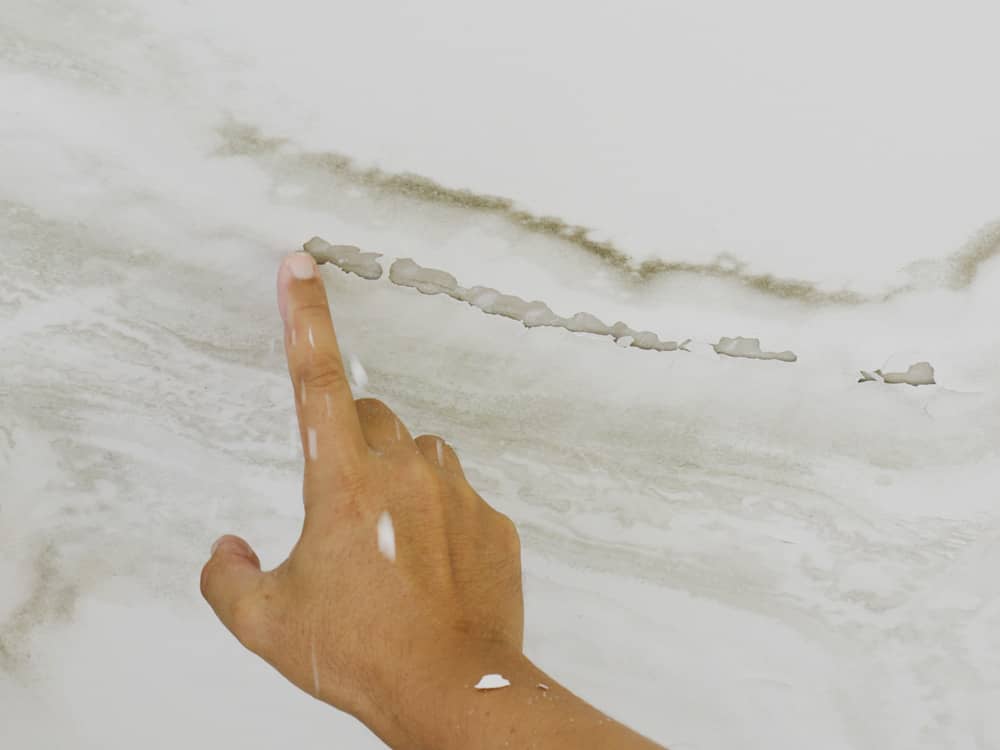
A stain, odor, or damp surface can be a warning sign—but appearance alone does not tell you what is growing there.
Not every problem calls for the same response
A dark patch near an air vent, a musty storage room, or a recurring stain around a sink can trigger an understandable reaction: clean it immediately with the strongest product available. That approach can miss the underlying problem—and may create unnecessary exposure or damage.
Mold and bacteria are different microorganisms. Both can be present in buildings, but they do not behave identically, and neither can be reliably identified by color or appearance alone. When growth is suspected, or a building has experienced water damage, the first question is not which chemical to spray. It is what caused the condition and who is qualified to assess it.
Moisture is the critical clue for mold
Mold is a type of fungus. According to the U.S. Environmental Protection Agency (EPA), controlling moisture is central to controlling mold. Roof leaks, condensation, plumbing failures, and persistently damp materials can support growth. Even a cleaned surface can develop another problem if the leak remains.
Porous materials require particular care. Ceiling tiles, carpet and drywall can hold moisture, and some mold-damaged materials may need removal rather than ordinary surface cleaning. Painting over a suspicious patch or masking a musty odor does not resolve a moisture problem.
Bacteria require context, not guesswork
Bacteria occur in many environments; some are harmless, and others can cause illness. Routine cleaning physically removes soil and many germs. Where a facility requires sanitizing or disinfecting, the appropriate process depends on the surface, setting, and applicable rules.
Restrooms, food-contact areas and childcare spaces may have different protocols. A product labeled as a disinfectant must be used according to its directions, including dilution and contact time when applicable. More chemicals do not automatically produce a better result—and they cannot substitute for addressing contaminated materials or underlying building conditions.
The boundary between janitorial work and remediation
Routine commercial cleaning and professional mold assessment or remediation are not interchangeable services. The Texas Department of Licensing and Regulation (TDLR) licenses certain mold-assessment and remediation activities, subject to specific statutory exemptions. Texas law includes an exemption for some remediation projects involving less than 25 contiguous square feet, but the rules are more nuanced than a universal size threshold.
If there is suspected extensive mold growth, recurring water intrusion, contaminated water, hidden damage, or uncertainty about the extent of the problem, pause routine cleaning of the affected area and involve appropriate property-management, restoration, or licensed assessment professionals. A janitorial provider should not present routine wiping as certified mold remediation.
Respond in the right order
First, document the location and suspected source of moisture without disturbing potentially affected materials. Second, stop or isolate the water source where safe and arrange appropriate drying or repairs. Third, determine whether specialist assessment is needed before any cleanup. Finally, restore a preventive maintenance and cleaning routine once the underlying condition has been addressed.
EPA and CDC/NIOSH guidance emphasizes prompt attention to wet materials and moisture conditions. In many situations, drying wet materials within roughly 48 hours can help reduce the likelihood of mold growth, although timing and response depend on circumstances.
A better question for your cleaning provider
Ask: ‘Is this ordinary soil/stubborn stain/smell that belongs in our cleaning scope, or a moisture or microbial concern that needs a different professional?’ A responsible provider should be willing to draw that distinction. Mint Condition DFW focuses on routine and agreed specialty commercial cleaning and encourages clients to use qualified specialists where assessment or remediation is required.
Questions to ask your cleaning provider
- Where do you think the moisture is coming from?
- Has this area been wet before?
- Is the affected material porous?
- Does this require property maintenance, specialist assessment, or remediation?
You focus on your business. We focus on cleaning.
Mint Condition DFW provides commercial cleaning services across the Dallas–Fort Worth region. Contact our team to discuss a scope of work based on your facility and operating needs.